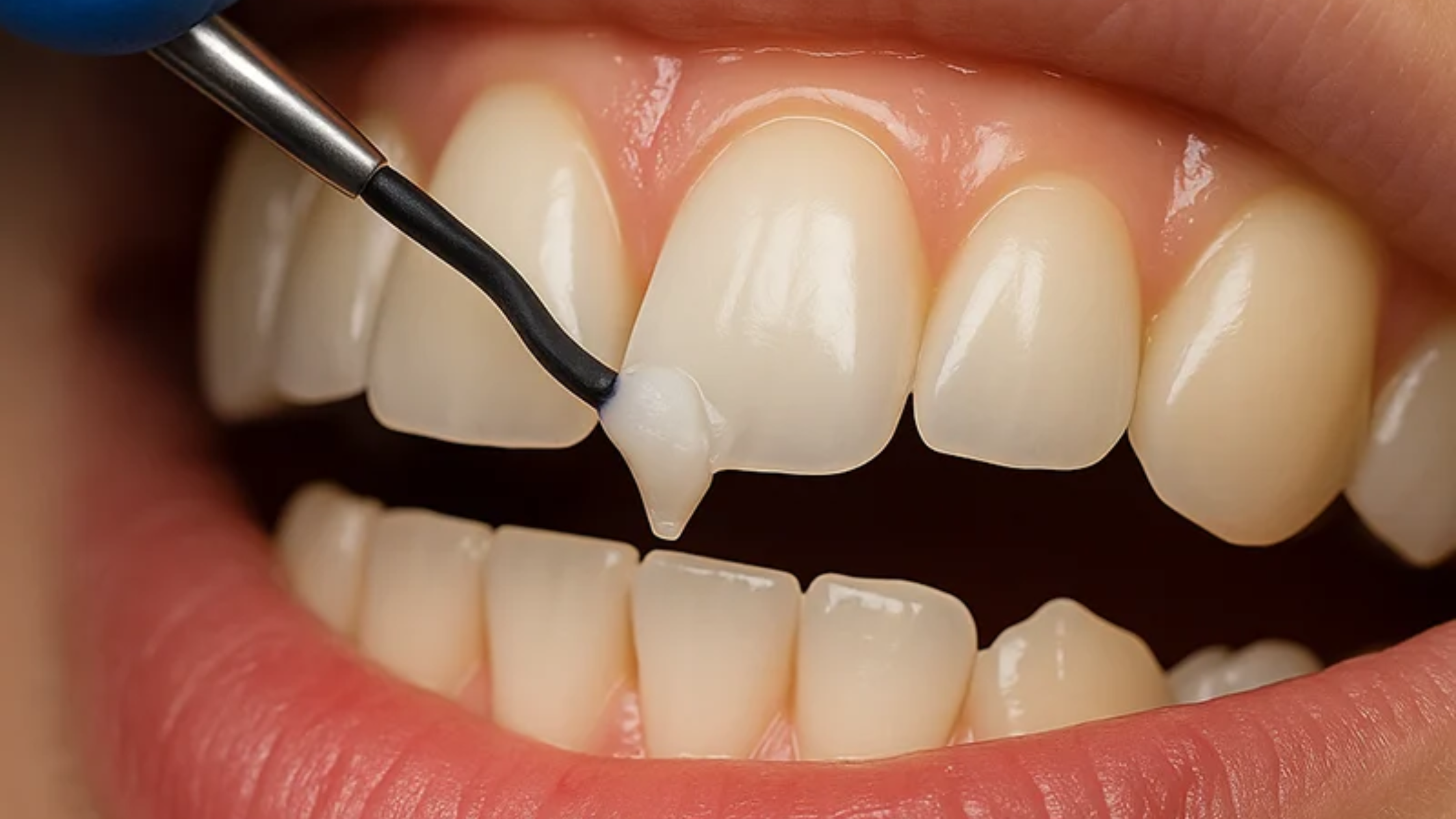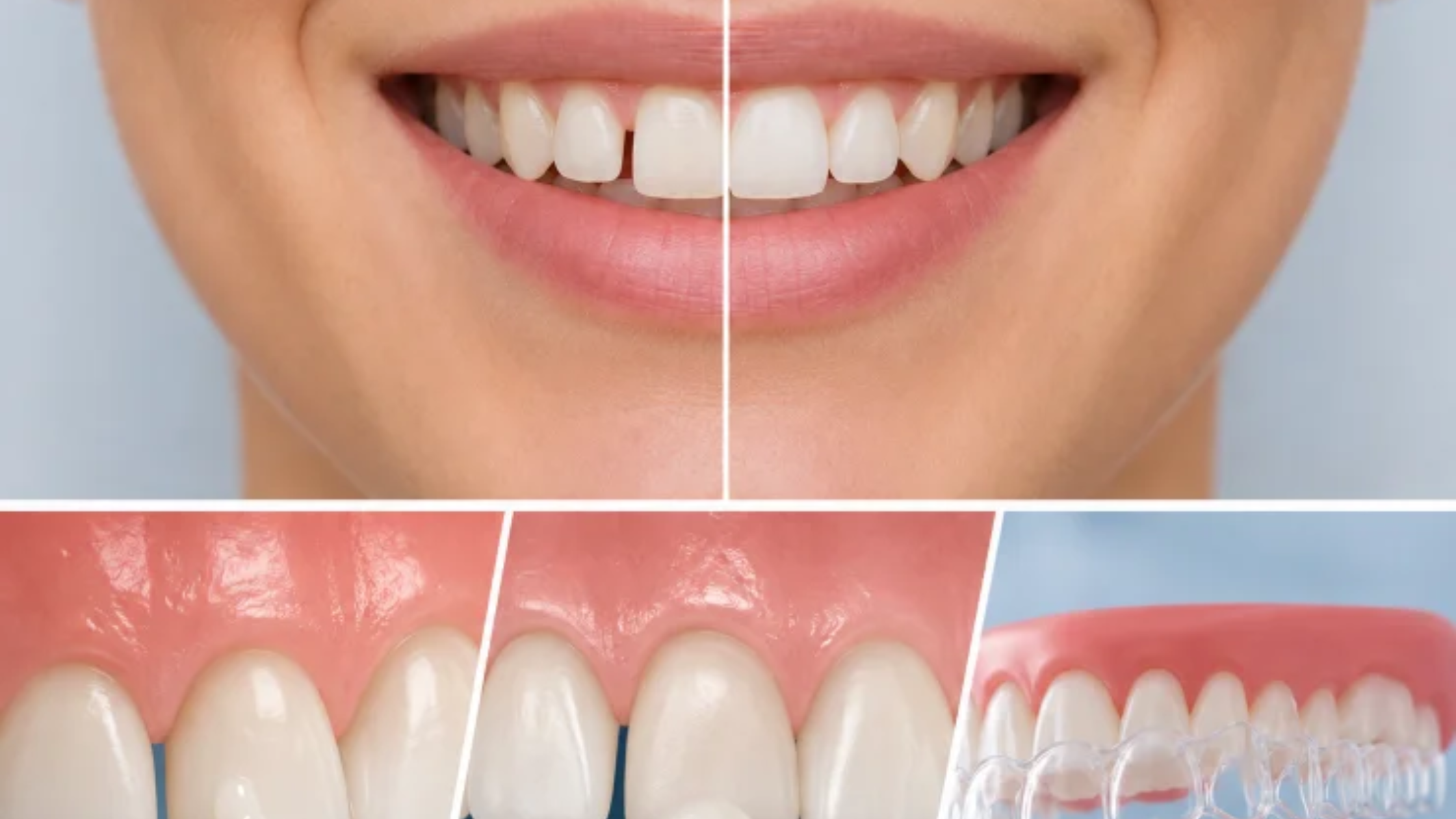


Dental bonding is popular partly because it’s fast, often completed in a single visit, but patients understandably want to know what happens after that visit. How long does it actually last, and what can you do to make it last longer?
What Affects How Long Bonding Lasts
There’s no fixed expiration date on bonding, and how long it holds up depends on several factors:
Location in the mouth. Bonding on a front tooth, used mainly for biting into soft foods and speaking, tends to hold up differently than bonding on a back tooth exposed to heavier chewing forces.
What the bonding was used for. A small chip repair experiences different wear patterns than bonding used to close a gap or reshape a larger area of a tooth.
Your daily habits. Nail-biting, chewing ice, using teeth to open packaging, and grinding or clenching teeth all put extra stress on bonded areas and can shorten their lifespan.
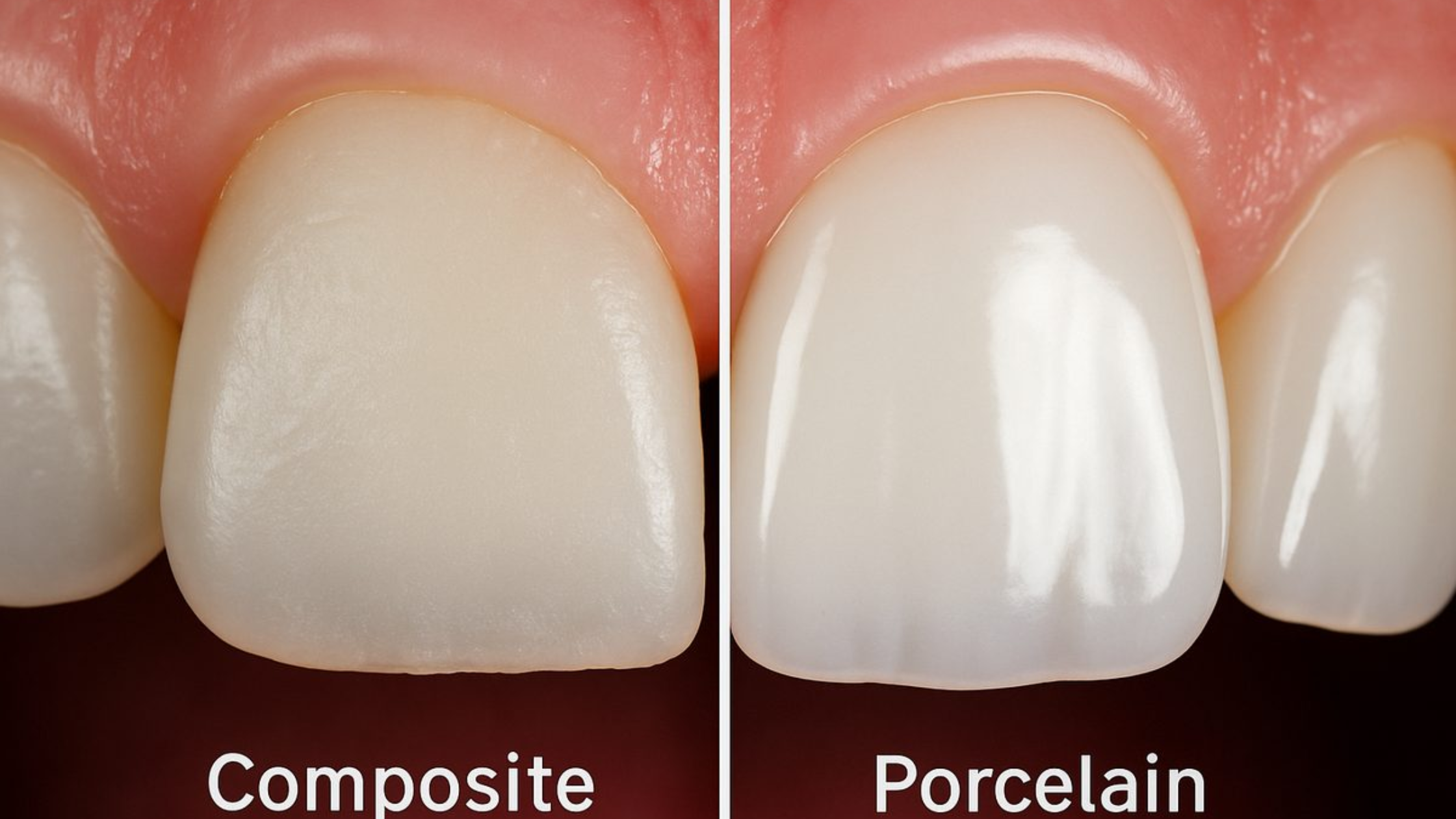
Diet. Foods and drinks that stain natural teeth (coffee, tea, red wine, tomato sauce) can also gradually discolor composite resin over time, since it doesn’t resist staining as well as porcelain.
Oral hygiene. Consistent brushing, flossing, and regular dental checkups help catch early wear before it becomes a bigger issue and generally support the longevity of any dental work, including bonding.
General Expectations
Bonding is understood to be less durable than porcelain veneers over the long term, which is part of the tradeoff for its lower cost and same-day convenience. Rather than a hard number, think of it this way: bonding is designed to be a practical, relatively long-lasting fix, with the understanding that touch-ups over the years are a normal and generally straightforward part of maintaining it, not a sign that something went wrong.
How to Protect Your Bonding
Avoid using bonded teeth as tools. Opening packaging, holding objects, or biting down on pens puts unnecessary stress on the bonded area.
Be cautious with hard or sticky foods. Ice, hard candy, and very chewy or sticky foods can chip or pull at the edges of bonding more easily than they affect natural enamel.
Address grinding or clenching. If you grind your teeth, especially at night, ask your dentist about a nightguard; this is one of the most effective ways to protect bonding (and natural teeth) from unnecessary wear.
Watch stain-causing foods and drinks. You don’t need to eliminate coffee or red wine, but being mindful and maintaining good oral hygiene afterward helps keep bonded teeth from discoloring faster than the teeth around them.
Keep up with routine dental visits. Regular checkups let your dentist catch small chips or wear on bonded teeth early, when a touch-up is simple, rather than after the damage has progressed further.
Use a non-abrasive toothpaste. Some whitening toothpastes contain abrasive ingredients that can dull the polished surface of bonding over time; ask your dentist for a recommendation if you’re unsure.
Signs Your Bonding May Need a Touch-Up
- A rough edge or texture change you can feel with your tongue
- Visible discoloration compared to the surrounding tooth
- A small chip or crack in the bonded area
- The bonded area feeling loose or different from the rest of the tooth
None of these are emergencies, but they’re worth mentioning at your next visit, or sooner if the change is significant.
Touch-Ups Are Normal, Not a Failure
One advantage bonding has over veneers is how straightforward touch-ups tend to be because the material is applied directly rather than fabricated as a shell; your dentist can typically add to or smooth out an existing repair without starting over completely. This is part of why bonding remains a practical option for patients who want a lower-maintenance commitment upfront, even knowing some maintenance will likely be needed down the line.
Frequently Asked Questions
Do I need to avoid coffee and wine completely after bonding? No, moderation and good oral hygiene are generally enough. If staining becomes a concern over time, ask your dentist about polishing or touch-up options.
How often should bonded teeth be checked? Routine dental checkups (typically twice a year, or as recommended by your dentist) are usually sufficient to monitor bonded teeth alongside your regular oral health.
Can bonding be repaired if it chips? In most cases, yes, a chipped area of bonding can often be smoothed or built back up without redoing the entire repair, which is one of the practical advantages of the material.
Will bonding eventually need to be completely redone? Possibly, after enough years of wear, staining, or repeated touch-ups reach a point where a full replacement looks better than continued patching. This varies significantly by individual case.
Is there a way to make bonding last longer from the start? Following your dentist’s aftercare guidance, avoiding hard or sticky foods on bonded teeth, and addressing any grinding habit early are the most effective ways to extend how long your results hold up.
Keep Your Smile Looking Its Best
If it’s been a while since your bonding was placed, or you’ve noticed any changes, a quick checkup can confirm whether everything’s holding up well. Schedule a visit at Steele Creek Smiles or call (704) 587-1010.
This article is for general educational purposes and isn’t a substitute for an in-person dental evaluation.