

A gap between two front teeth, sometimes called a diastema, is one of the more common cosmetic concerns patients bring up, and also one with more than one reasonable solution. Which option makes sense for you depends mostly on the size of the gap, what’s causing it, and how much change you’re comfortable with.
What Causes Gaps Between Teeth?
- Natural spacing: some people simply have more space than their teeth fill, often due to jaw size relative to tooth size
- Missing or undersized teeth: if a tooth is naturally smaller than average, it may leave a visible gap next to its neighbor
- A tissue attachment (frenum) between the front teeth that can hold them apart
- Habits like thumb-sucking during childhood tooth development
- Gum disease or tooth movement over time, which can create or widen gaps in adulthood
Knowing the general cause can help guide the conversation with your dentist, though it isn’t the only factor in choosing a treatment.
Option 1: Dental Bonding
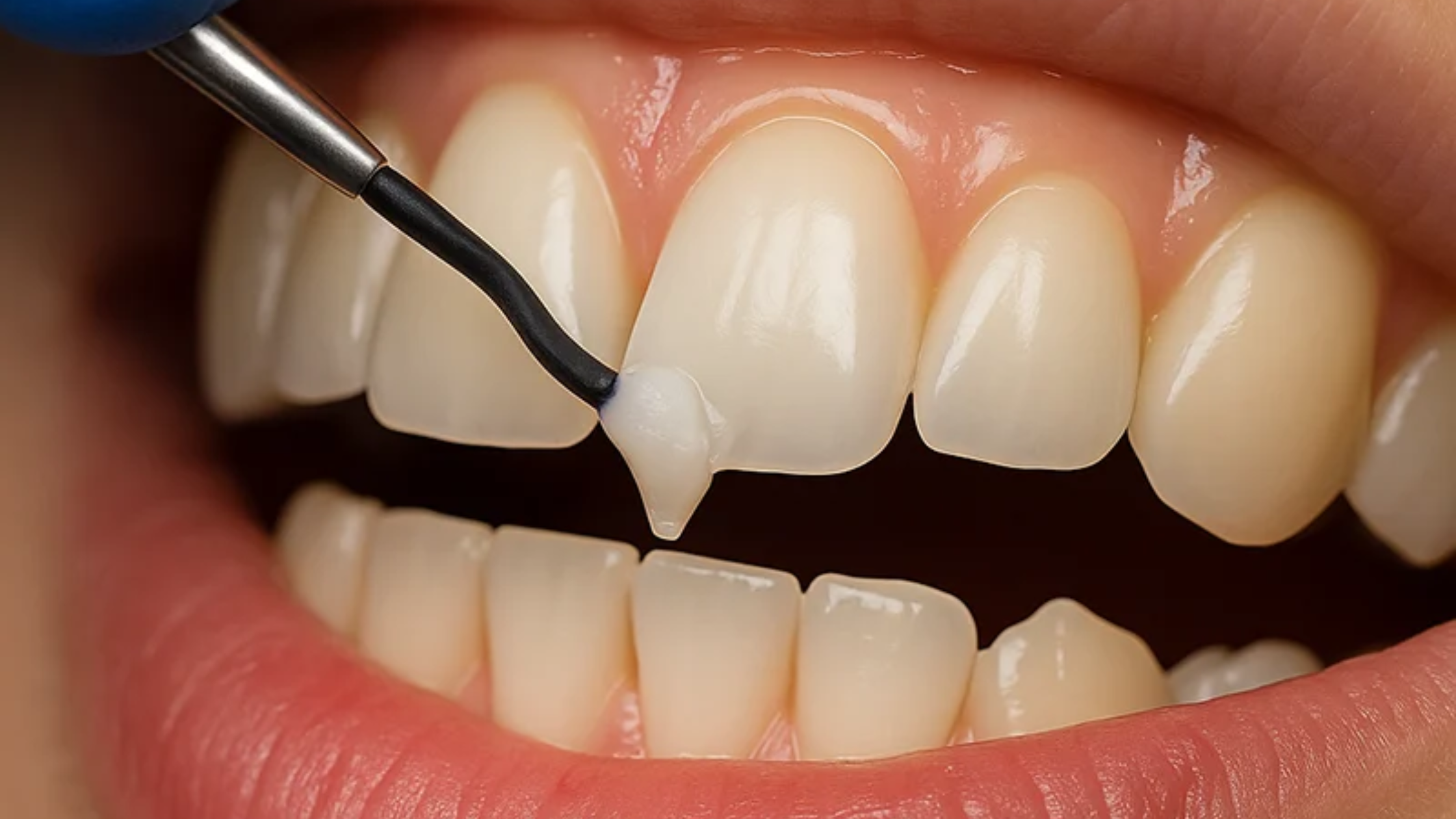
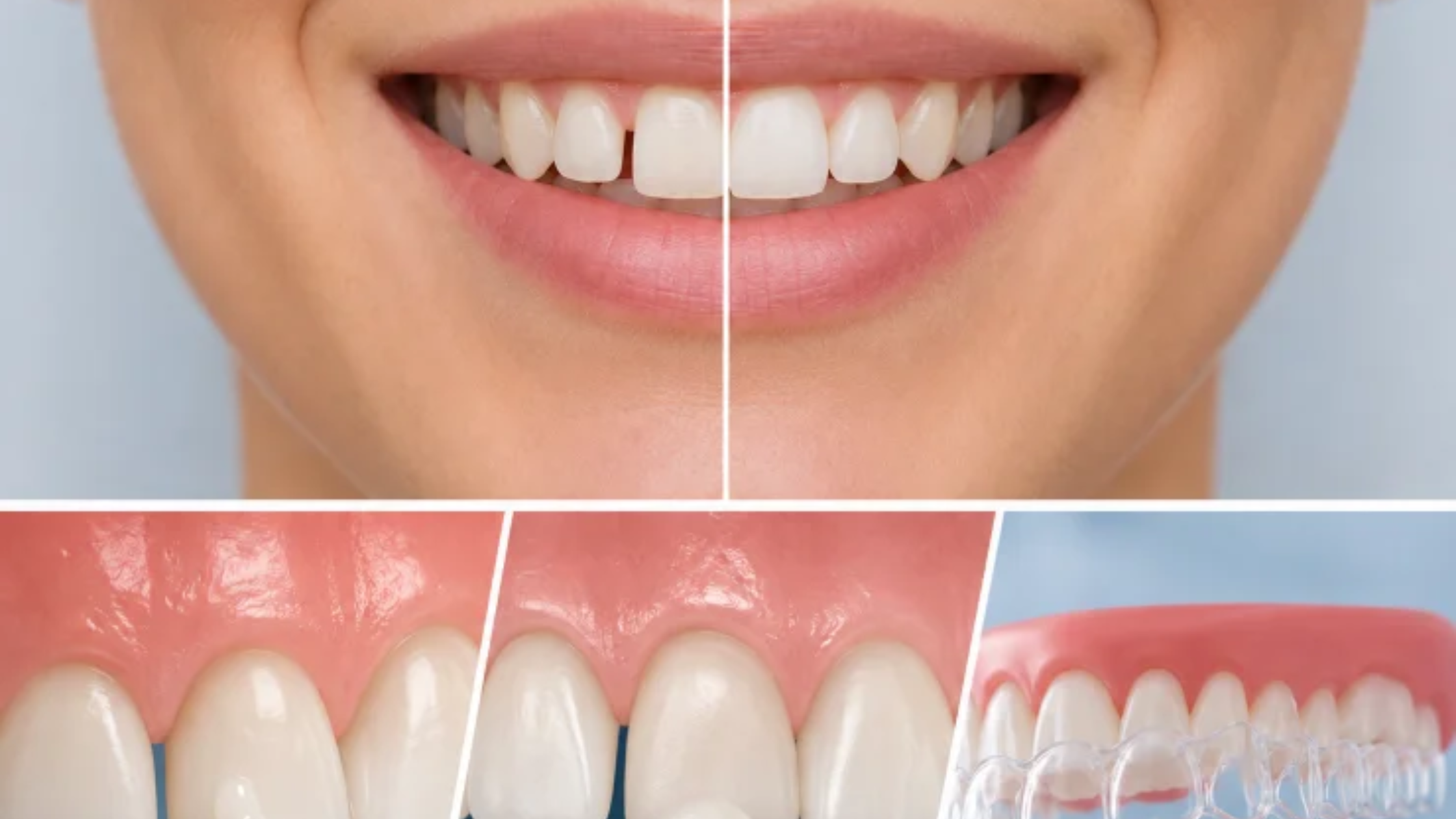
For smaller gaps, dental bonding is often the fastest and most conservative option. Your dentist adds tooth-colored composite resin to the edges of the teeth bordering the gap, gradually closing the space and shaping it to look natural. This is typically a single-visit procedure with minimal to no removal of tooth structure.
Tends to work well for: smaller gaps, especially a single gap between two teeth, when you want a same-day result without altering your bite or alignment.
Option 2: Porcelain Veneers
For more noticeable gaps, involve more than one space, or when they come alongside other cosmetic goals (like also wanting a change in shape or color), veneers can close the gap while addressing those additional concerns as part of a single, coordinated design.
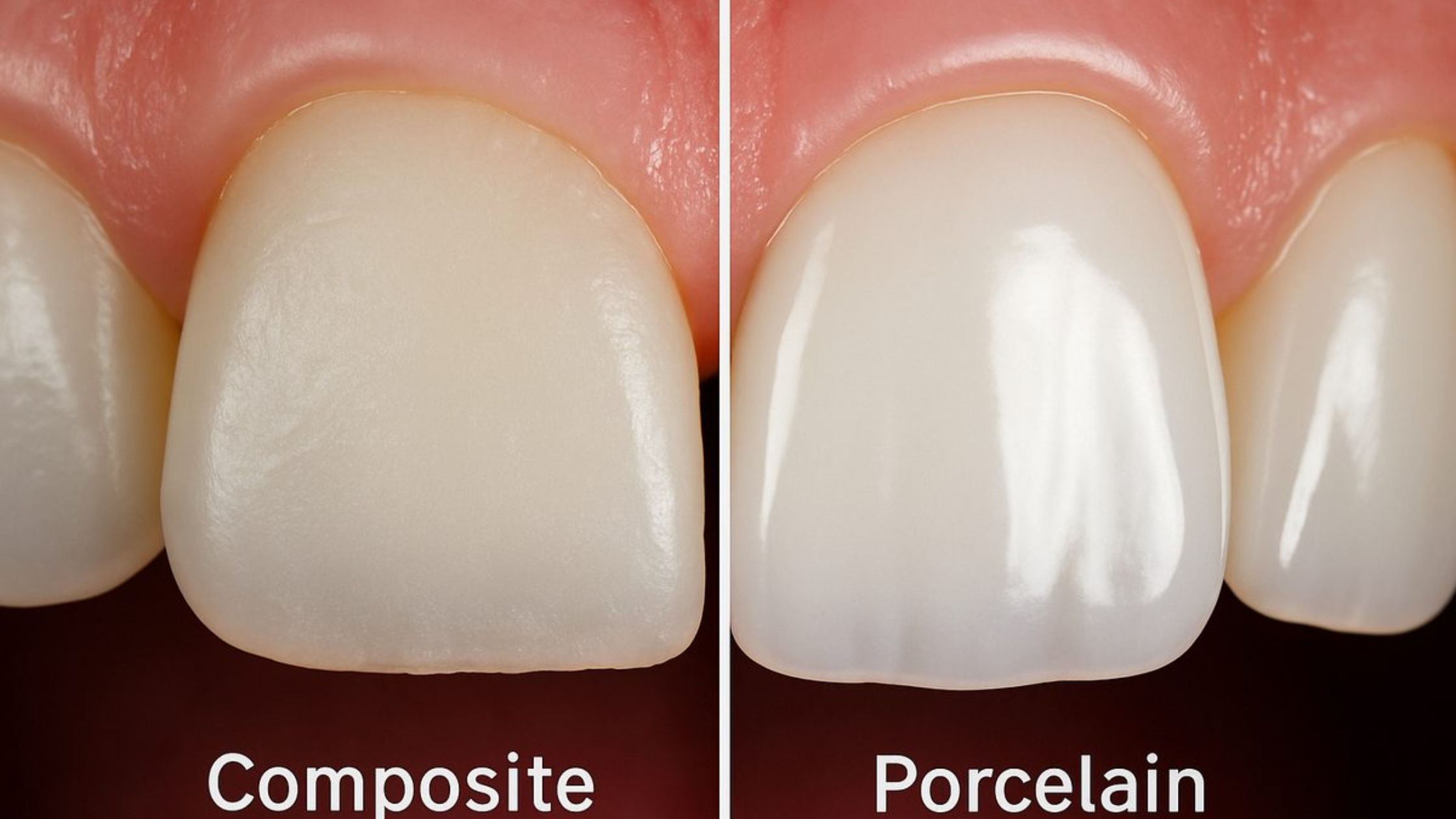
Tends to work well for: larger or multiple gaps, especially when combined with other cosmetic goals, or when you want a longer-lasting, more stain-resistant result than bonding provides. See our comparison of veneers and bonding for more on how the two compare generally.
Option 3: Orthodontic Treatment
Bonding and veneers close the visual appearance of a gap by adding material to the teeth on either side. Orthodontic treatment, traditional braces or clear aligners, takes a different approach entirely: it actually moves the teeth together, closing the gap by shifting tooth position rather than adding material.
Tends to work well for: gaps caused by genuine spacing issues (rather than undersized teeth), especially when there’s also a desire to address alignment or bite concerns more broadly, or when a patient prefers not to alter the natural tooth structure at all.
Comparing the Three
| Bonding | Veneers | Orthodontics | |
| How it works | Adds material to close the visual gap | Adds material as part of a full-coverage shell | Physically moves teeth together |
| Time to result | Often one visit | Multiple visits over a few weeks | Months, sometimes longer |
| Tooth structure | Minimal to no alteration | Small amount of enamel removed (traditional) | No alteration; teeth are moved, not reshaped |
| Best for | Smaller, isolated gaps | Larger gaps or gaps alongside other cosmetic goals | Gaps tied to broader spacing or alignment concerns |
| Reversibility | More conservative | Less reversible once enamel is prepared | Reversible in the sense that no material is added, though teeth can shift back without a retainer |
How to Decide
A few questions can help point toward the right option:
- How large is the gap, and is it just one, or several? Smaller, single gaps lean toward bonding; larger or multiple gaps lean toward veneers or orthodontics.
- Is the gap part of a broader spacing or bite issue? If your dentist notices alignment concerns beyond the visible gap, orthodontic treatment may address more of the underlying cause.
- Do you want to change anything else about your teeth at the same time? If color or shape is also a concern, veneers can address multiple goals in one coordinated plan.
- How much time are you comfortable investing? Bonding is the fastest; orthodontics generally takes the longest, in exchange for physically repositioning the teeth rather than covering the gap.
As with most cosmetic decisions, an in-person exam is what actually determines which option fits your teeth gap size, tooth shape, and bite all factor into the recommendation.
Frequently Asked Questions
Is bonding a permanent fix for a gap? Bonding is durable but not permanent; composite resin can wear or need touch-ups over time, though it’s a straightforward and often long-lasting solution for smaller gaps.
Will my gap come back if I choose orthodontics? Teeth can shift back over time without a retainer, which is why orthodontists generally recommend consistent retainer wear after treatment to maintain the result.
Can veneers close a gap without making my teeth look too wide? This is exactly the kind of detail a dentist accounts for during smile design. Veneers are custom-shaped to close the gap while keeping proportions that look natural for your smile.
Is one option better for a gap caused by a missing tooth? If a gap is due to a genuinely missing or significantly undersized tooth rather than general spacing, your dentist may discuss options like a dental implant or bridge in addition to the cosmetic solutions covered here; that’s a different clinical situation worth a dedicated conversation.
Can I combine bonding or veneers with orthodontic treatment? Yes, and it’s a common approach for larger or more complex cases; orthodontics may be used first to improve overall alignment, with bonding or veneers afterward for final cosmetic refinement.
Get a Recommendation for Your Specific Gap
The right fix depends on the size of your gap and your broader goals. Schedule a consultation at Steele Creek Smiles or call (704) 587-1010 to find out which option makes the most sense for you.
This article is for general educational purposes and isn’t a substitute for an in-person dental evaluation.