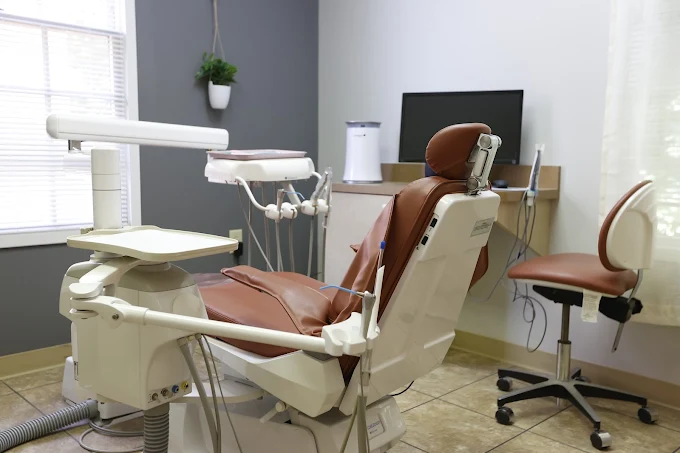
Diagnosing Periodontal Disease
Understanding Your Gum Health
A diagnosis of periodontal diseases requires an extensive examination of the gums, teeth, and supporting structures. The doctor. Bajaj will conduct a thorough exam that includes many essential elements. This could include visually checking the gums for indications of inflammation, determining the depth of the periodontal pocket with a probe, and taking X-rays to assess the loss of bone.
A timely diagnosis of periodontal diseases is vital because it permits the timely treatment and intervention. If it is ignored and not treated will progress and eventually result in irreparable destruction of the gums and the supporting structures of teeth. It can lead to tooth loss and can even affect overall health, since research has linked periodontal problems to numerous systemic ailments like cardiovascular disease and diabetes.
Stages of Periodontal Disease
- Gingivitis, the first phase of periodontal disease, is characterized by tender, inflamed gums that are bleeding, as well as plaque accumulation.
- Periodontitis: The secondary stage of the disease, which is characterized by the hardening of plaque into calculus (tartar) and gum recession, the formation of deeper gum pockets, and the beginning stages of loss of bone.
- Advanced Periodontitis: the last stage of periodontal diseases, which is characterized by the loss of bone, gums, and ligament tissues, a decrease in bone density, and the loss of teeth and more serious loss of bone.
Featured Articles In Steele Creek, Charlotte
Diagnosing Periodontal Disease FAQs
What does gum disease look like?
Early signs of gum disease include swollen, tender and reddish or purplish gums. You may see a buildup of plaque on your teeth. As the disease worsens, you may notice loose teeth and pus along your gum line.
How long can you keep your teeth with periodontal disease?
It depends on the severity of your condition. There’s no hard and fast rule, because everyone is different. In general, the sooner you treat gum disease, the less likely you are to lose teeth.
What are the symptoms of periodontal disease?
Periodontal diseases are often silent, meaning that symptoms may not materialize until significant bone loss has occurred. Some people may not experience any symptoms and be unaware that they have the disease. The most common signs and symptoms of periodontal disease include:
- Red, swollen, or tender gums
- Gums that bleed when brushing and flossing
- Teeth that appear longer or become loose
- Large spaces that form between the teeth
- Gums that begin to pull away from the teeth
- Chronic bad breath
- Pus between the gum and tooth
- A change in the way you teeth fit together when you bite
- A change in the fit of partial dentures
Will my insurance cover my periodontal treatment?
Many insurance plans will provide assistance for periodontal treatment. Our practice understands how important your dental health is, and we want you to get the most out of any dental treatment you receive. We will help you work with your insurance provider to make sure that your treatment is easy on your budget and your peace of mind.

What will my periodontal procedure cost?
Since all patients are different, your Periodontic must complete your examination before establishing your treatment plan and the fee for care. The fee for periodontal treatment can vary considerably depending on the type of problems and the complexity and length of treatment. An approximate fee can usually be determined at the initial visit, but on occasion, some initial treatment or further diagnostics must be completed before the final treatment planning can be established. Our philosophy of practice is to treat as conservatively as possible to attain treatment goals.