


Accepted Insurance Plans at Steele Creek Smiles


Best Family Dentist in Steele Creek, Charlotte.
Best Family Dentist in Steele Creek, Charlotte.
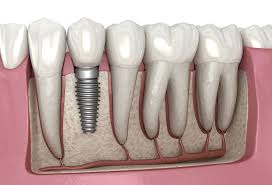
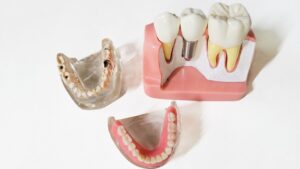
Dental implants offer an attractive and effective solution for tooth loss. To successfully place a dental implant, you need healthy bone in the area where the implant will be positioned. The bone anchors the implant and ensures your tooth replacement is durable and long-lasting.
When teeth are removed or lost without replacement, a process called resorption (bone loss) can occur. If we find that you’ve experienced bone loss in the area where you need implants, we may recommend a bone graft. A bone graft enhances the healthy bone in your jaw and promotes regeneration, strengthening your jawbone’s overall structure.
Once healed, you’ll be ready for dental implant surgery, which addresses tooth loss and prevents further deterioration of your jawbone structure.
Performed under local anesthesia, the grafting material is placed into the space left by a missing tooth. Afterward, the body will form new bone cells to replace the graft material gradually over several months.
There are no safety threats regarding the grafting material sourced from another part of your bone. However, the drawback of the method is that it requires creating another surgical site: the location where the bone is taken. Mineral bone replacements taken from animal bone or human donor have a minimal threat of infections because they are adequately screened.
The risk level for the two is similar because of the comprehensive and meticulous processing done at the trusted tissue bank. The result is a graft material that is totally safe. The mineral graft materials do not exist independently in the body but naturally dissolve and dissipate into the bone with time.
The dentist has to create a small incision in the gum to reach the bone under it. This means that you may suffer minimal soreness after the operation. The easiest way to reduce the pain is to apply ice packs on the jaw and use over-the-counter anti-inflammatory drugs and possibly pain relievers.
You should be good to go with a day or two. However, the bone regeneration process is only just starting at this point. Within the next few months, your body will keep depositing new bone cells and eliminate the grafting material.
The healing time for bone grafts is very variable and depends on the type of injury or bone defect being treated, condition of the bone surrounding the graft, and the size of the bone graft.
We use cookies to improve your experience on our site. By using our site, you consent to cookies.
Manage your cookie preferences below:
Essential cookies enable basic functions and are necessary for the proper function of the website.
CloudFlare provides web performance and security solutions, enhancing site speed and protecting against threats.
Service URL: developers.cloudflare.com (opens in a new window)
Google Tag Manager simplifies the management of marketing tags on your website without code changes.
Service URL: business.safety.google (opens in a new window)
Trustindex collects reviews from platforms such as Google, Facebook and Tripadvisor and displays them on a site as embedded review widgets, rating badges and social media feeds.
Service URL: www.trustindex.io (opens in a new window)
Statistics cookies collect information anonymously. This information helps us understand how visitors use our website.
Google Analytics is a powerful tool that tracks and analyzes website traffic for informed marketing decisions.
Service URL: business.safety.google (opens in a new window)
Marketing cookies are used to follow visitors to websites. The intention is to show ads that are relevant and engaging to the individual user.
Facebook Pixel is a web analytics service that tracks and reports website traffic.
Service URL: www.facebook.com (opens in a new window)
Google Ads is an online advertising platform that enables businesses to create targeted ads displayed on Google search results and partner sites.
Service URL: business.safety.google (opens in a new window)