

A chip in a front tooth has a way of feeling much bigger than it actually is; it’s small, but it’s right where everyone sees it. The good news is that for most minor to moderate chips, dental bonding is a fast, relatively simple fix that can often be completed in one visit.
Why Teeth Chip
Chips happen more often than people expect, and not always from an obvious accident:
- Biting into something hard (ice, hard candy, unpopped popcorn kernels)
- Using teeth as a tool (opening packaging, holding items)
- A fall or impact, including sports-related contact
- Teeth grinding or clenching, which weakens enamel over time
- Simply older, more brittle enamel becoming more prone to small chips
Knowing the cause matters a little for prevention going forward, but the more immediate question is usually just: can this be fixed, and how?
Is Bonding the Right Fix for Your Chip?
Bonding tends to be a strong option when the chip is:
- Small to moderate in size
- Limited to the enamel or a small portion of the tooth, without serious structural damage
- Not accompanied by significant pain (which could indicate the chip is closer to or affecting the nerve)
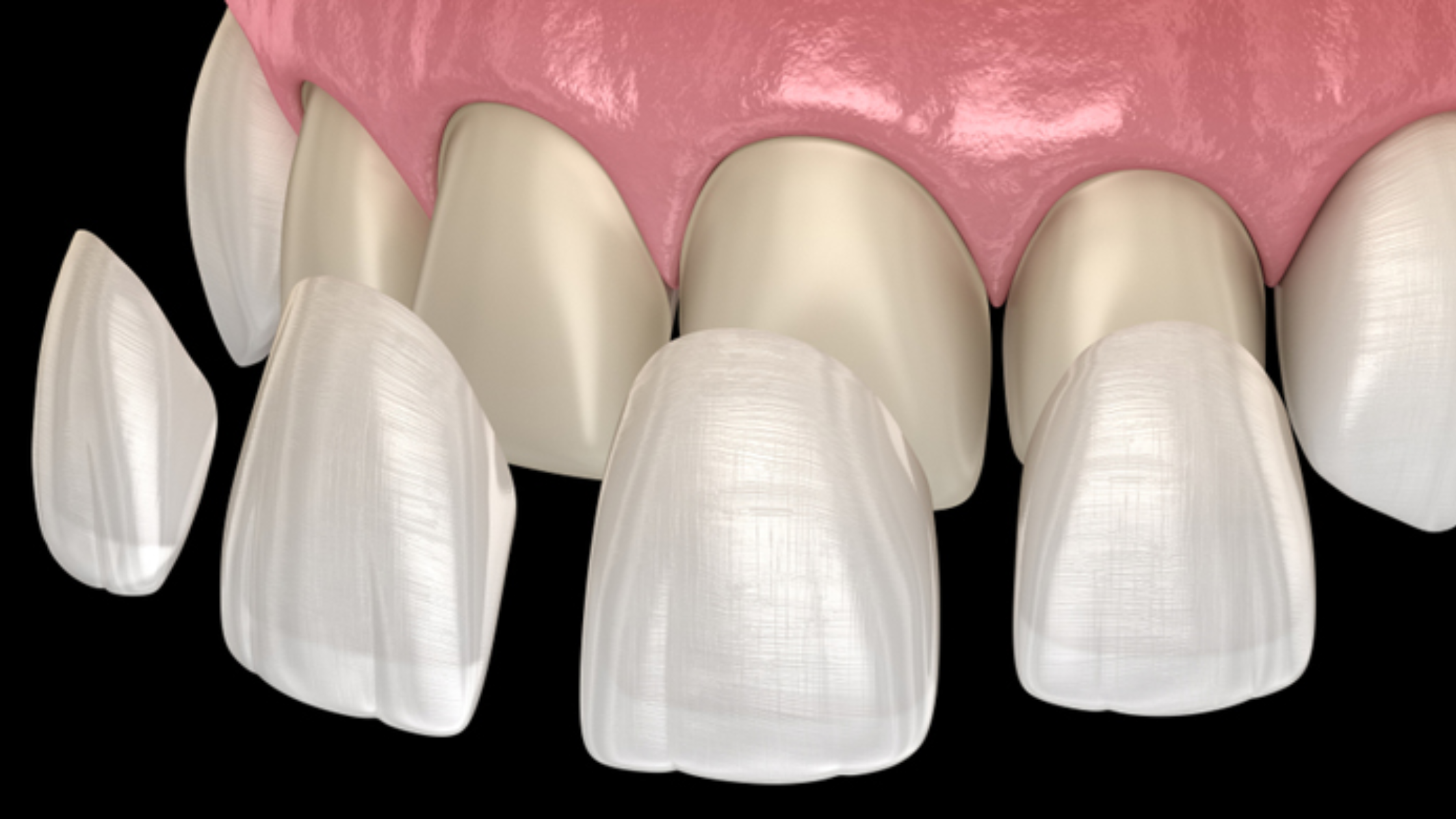
If a chip is larger, involves a significant portion of the tooth, or comes with sensitivity or pain, your dentist may recommend a different approach: a veneer for a bigger cosmetic correction, or a crown if the tooth’s structure is compromised. This is exactly what a dental exam is for: a chip that looks minor can occasionally be more involved than it appears, and vice versa.
How the Bonding Process Works for a Chipped Tooth
- Assessment. Your dentist examines the chip, checks for any sensitivity or more serious damage, and confirms bonding is the right fit.
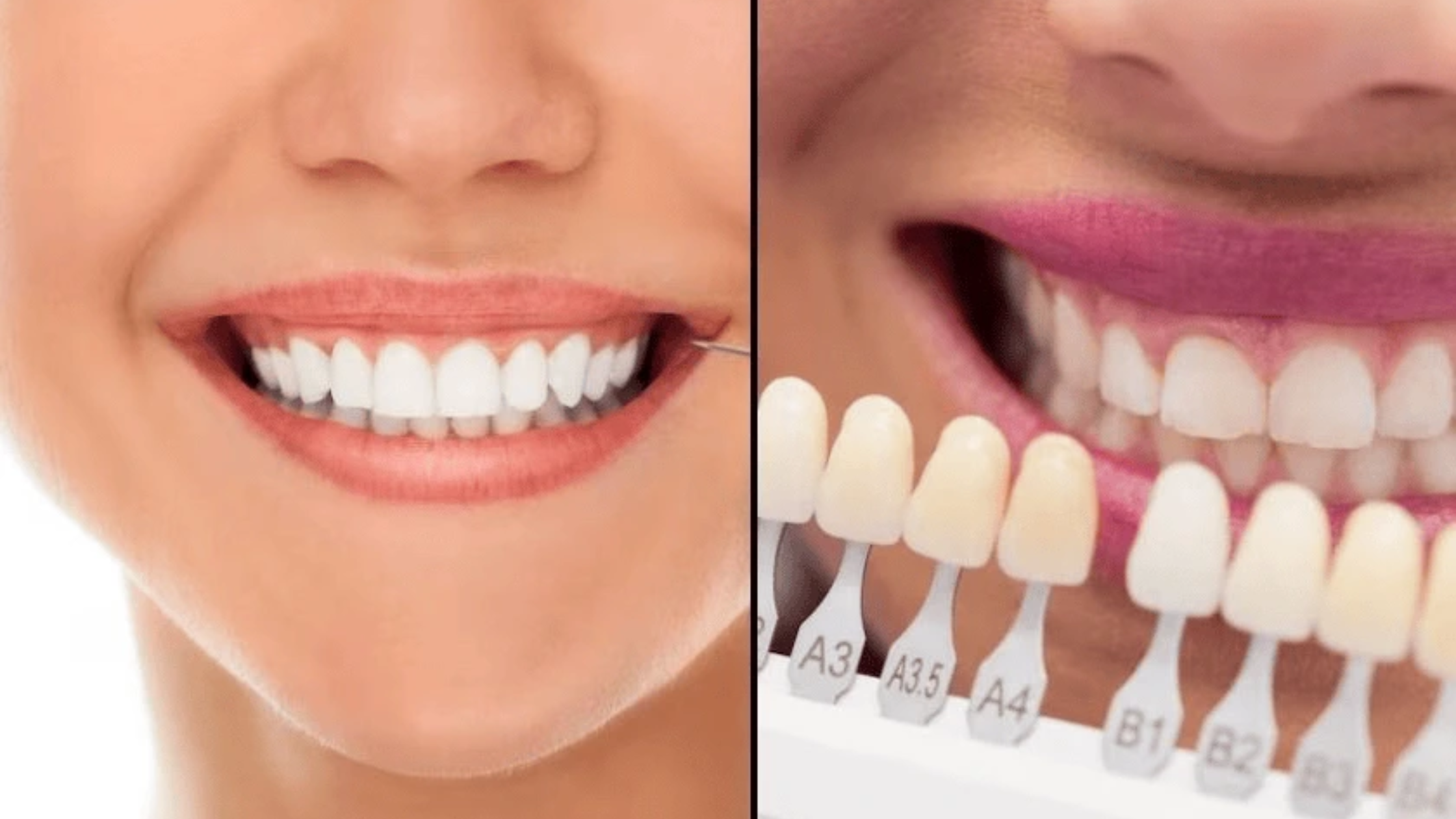
- Shade matching. The composite resin is matched to the color of your natural tooth so the repair blends in rather than standing out.
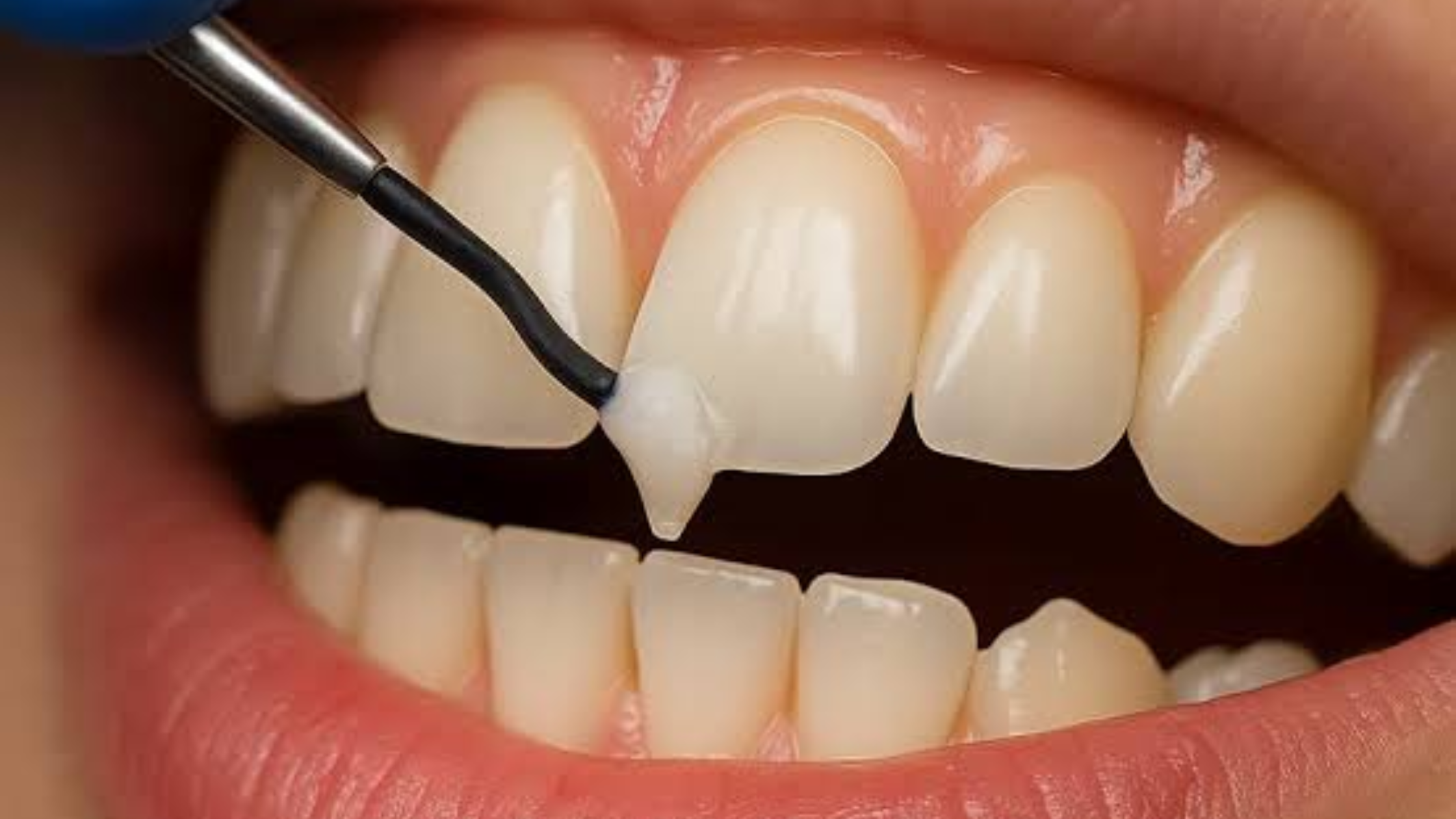
- Application. The tooth surface is lightly prepared (often with minimal to no removal of healthy structure), and the resin is applied directly to the chipped area.
- Shaping. While the resin is still soft, your dentist sculpts it to rebuild the natural contour of the tooth, matching the shape of the edge that was lost.
- Curing. A curing light hardens the resin in place.
- Polishing. The bonded area is polished to match the sheen of your surrounding enamel.
The entire process for a single chipped tooth is often completed within one appointment, without the need for impressions, a dental lab, or a second visit one of the main reasons bonding is such a popular choice for this specific concern.
Aftercare for a Bonded Chip Repair
Bonded teeth don’t require special long-term maintenance beyond good general oral hygiene, but a few habits help the repair last:
- Avoid biting directly into very hard foods (ice, hard candy, bones) with the bonded tooth
- Don’t use the tooth as a tool for opening packages or holding objects
- Keep up with regular brushing and flossing, using a non-abrasive toothpaste
- Mention grinding or clenching to your dentist if it applies to you, since a nightguard can help protect the repair
- Attend routine dental checkups, where your dentist can spot any early wear on the bonding before it becomes a bigger issue
Bonded resin is durable but not indestructible, and unlike natural enamel, it can be touched up relatively easily if it does wear down over time.
When Bonding Isn’t Enough
Bonding is a great tool for the right situation, but it’s worth being upfront about its limits:
- Larger chips or fractures that affect a significant portion of the tooth may need a veneer or crown for adequate coverage and strength
- Chips near or exposing the nerve typically need more than a cosmetic fix and should be evaluated promptly
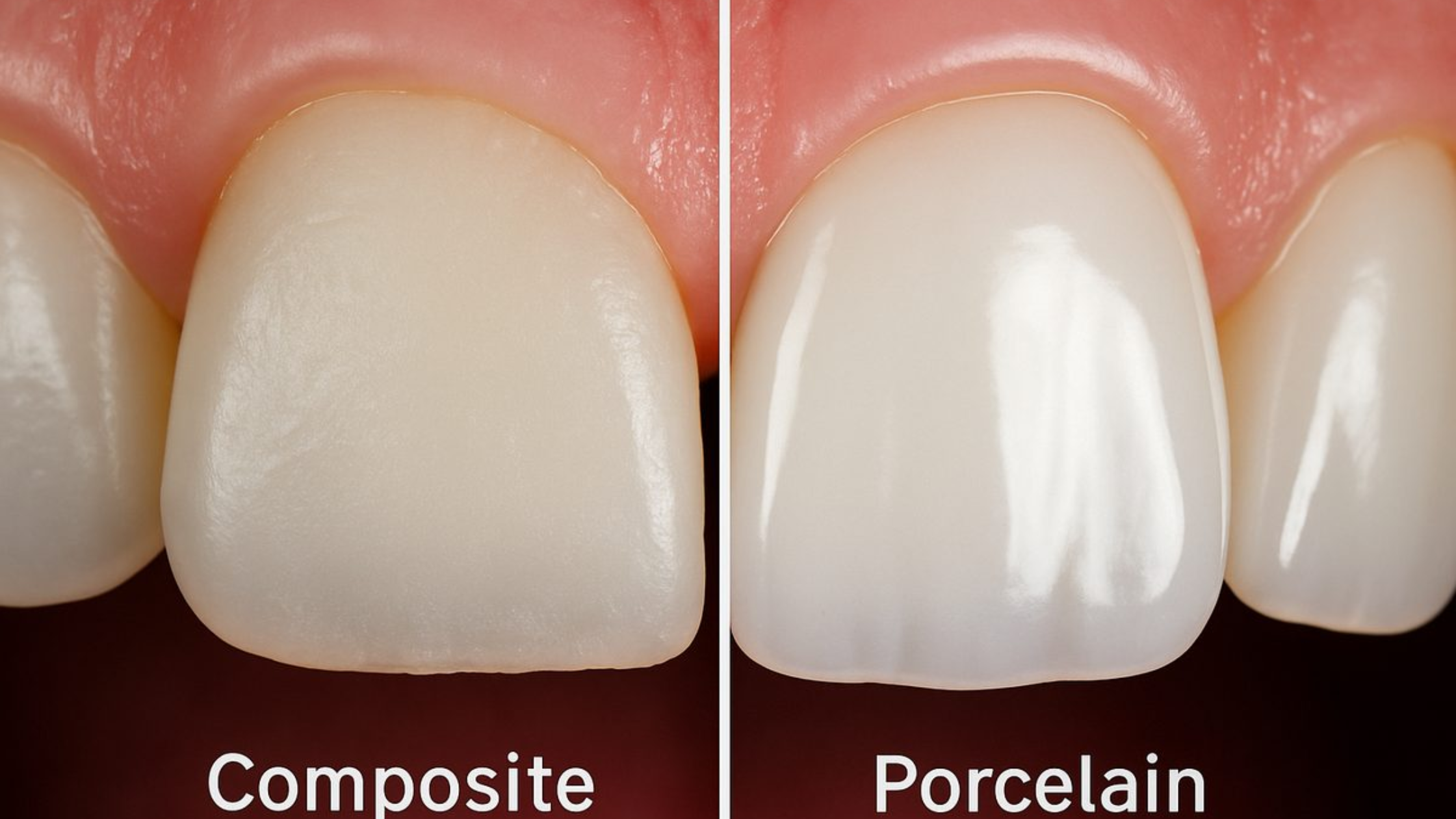
- Teeth with multiple chips or extensive wear may be better served by veneers, which can address several concerns across a tooth (or several teeth) at once. Comparing the two directly can help you understand which fits your specific case
Frequently Asked Questions
Can a chipped tooth really be fixed in one visit?
For most minor to moderate chips, yes, bonding is specifically valued for being a same-day procedure without lab work or a second appointment.
Does bonding hurt?
The procedure is generally minimally invasive and typically doesn’t require anesthesia unless the chip is close to sensitive areas of the tooth. Most patients describe it as comfortable.
Will the repair be noticeable?
The goal is a seamless match to your natural tooth color and shape. Results depend on your dentist’s skill and the specific tooth, but bonding is specifically chosen for its ability to blend in.
How long will the bonding on a chipped tooth last?
Bonding is durable but can wear or chip over years of normal use, especially if the tooth is exposed to hard foods or grinding. Touch-ups are common and typically straightforward.
What if my chip is causing pain?
Pain along with a chip can be a sign that the damage goes deeper than the enamel surface. This is worth having evaluated promptly rather than waiting, since it may need more than a cosmetic repair.
Get Your Chip Repaired
If a chipped tooth has been bothering you, there’s a good chance it can be fixed in a single visit. Schedule an appointment at Steele Creek Smiles or call (704) 587-1010.
This article is for general educational purposes and isn’t a substitute for an in-person dental evaluation.