

Am I a Candidate for Veneers? What Charlotte Patients Should Know Before a Consultation
If you’ve been looking into porcelain veneers, you’ve probably noticed that most articles online talk about what veneers do cover stains, close gaps, fix chips without spending much time on the question that actually matters first: are you a realistic candidate?
The honest answer is that candidacy depends on your individual teeth, gums, and bite, and the only way to know for certain is an in-person exam. But there are consistent factors dentists look at every time, and understanding them ahead of time can make your first consultation a lot more productive.
What Veneers Are Designed to Address
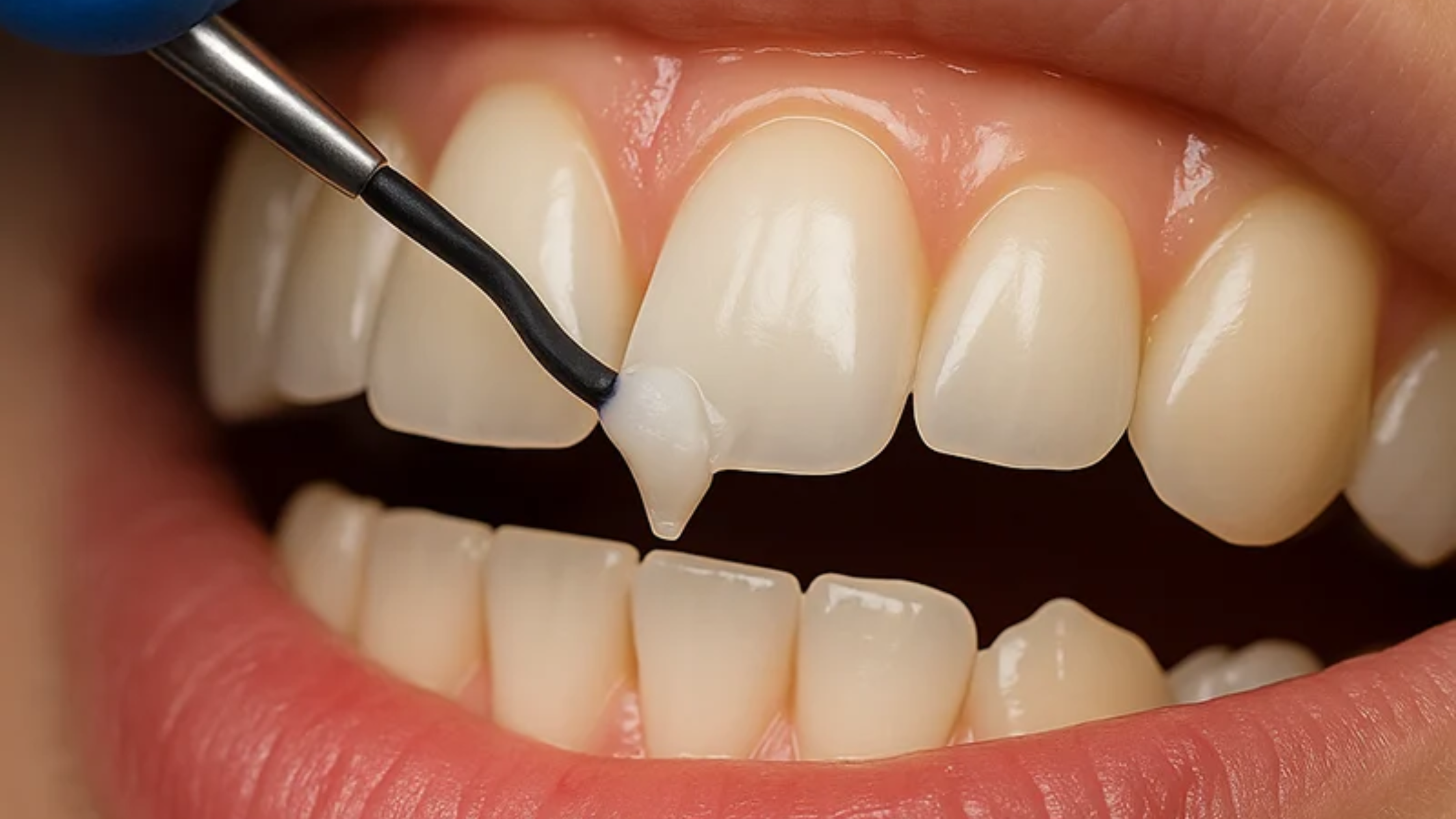
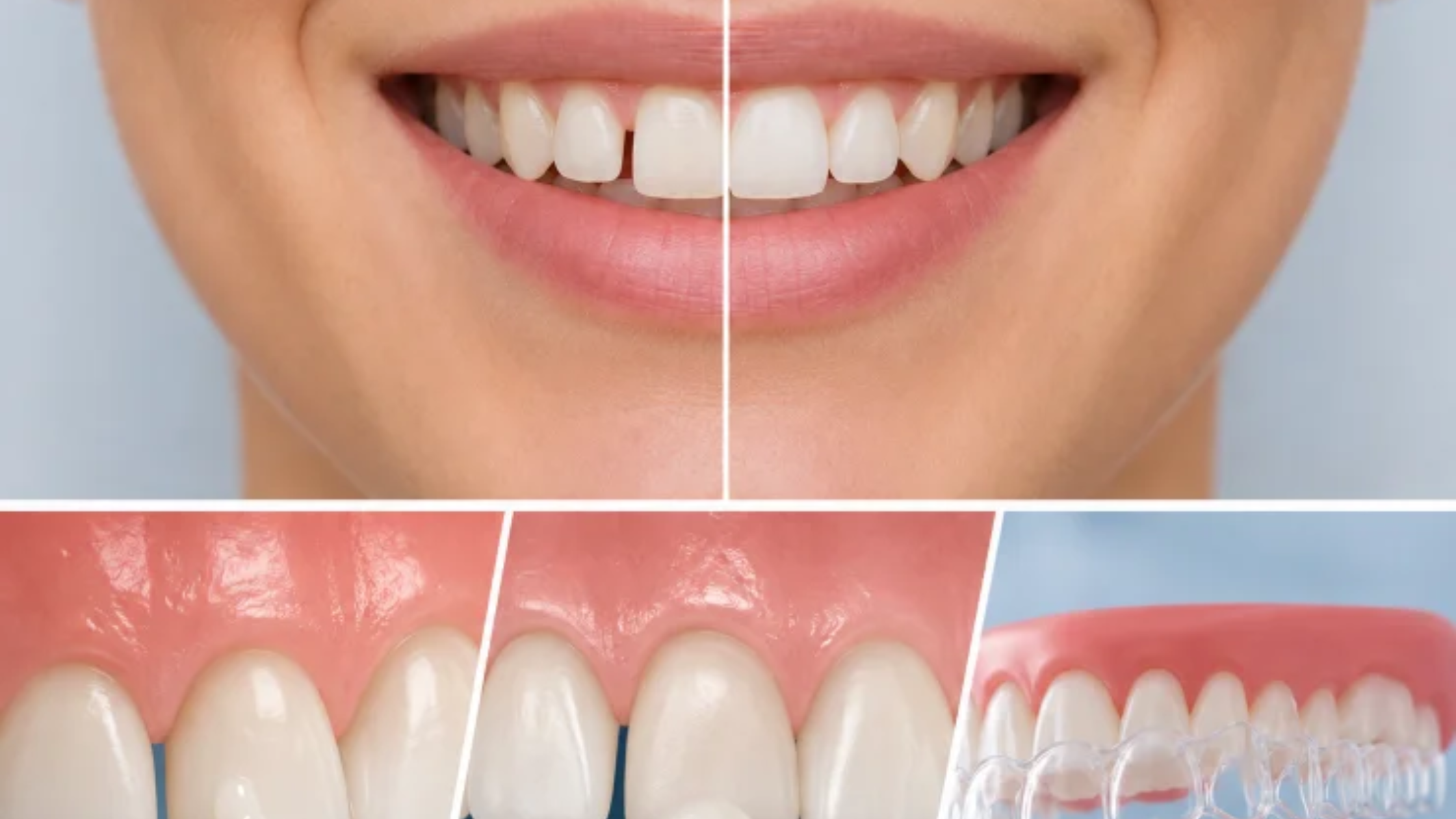
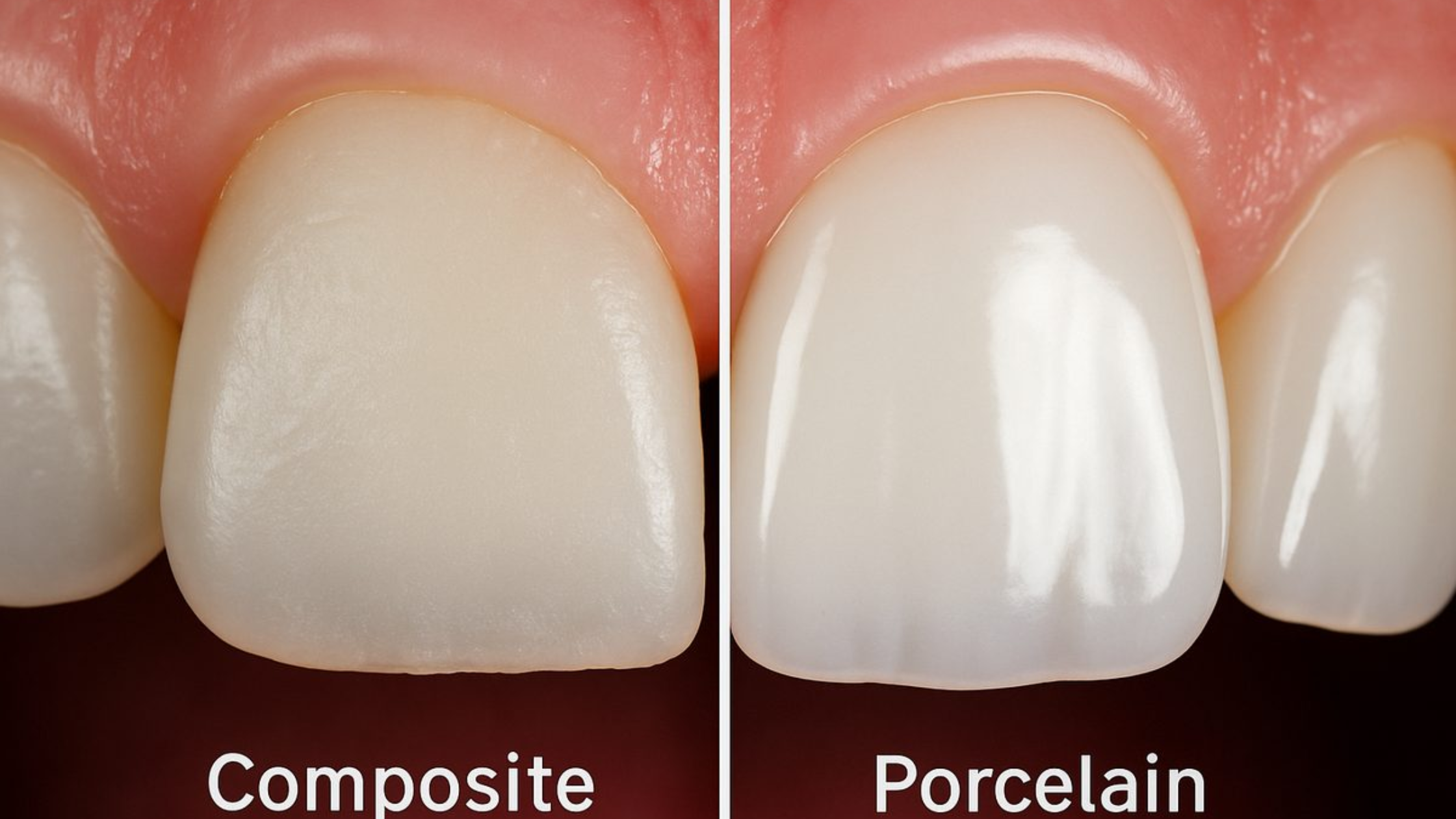
Porcelain veneers are thin, custom-made shells bonded to the front surface of a tooth. They tend to be a good fit for people dealing with:
- Teeth that are discolored in a way that hasn’t responded well to whitening
- Chipped, worn, or slightly uneven tooth edges
- Small to moderate gaps between teeth
- Teeth that are mildly misshapen or slightly smaller than their neighbors
- A desire for a more coordinated, uniform look across several front teeth
Veneers are a cosmetic solution, not a structural one; they change the appearance of the front of a tooth rather than repairing significant internal damage.
The Core Factors That Determine Candidacy
1. Healthy Teeth and Gums
This is the starting point for almost every veneer consultation. Veneers are bonded to natural tooth structure, so active cavities, gum disease, or untreated infection generally need to be addressed first. A dentist will typically want a clean bill of oral health before moving forward with anything cosmetic, not because veneers make those problems worse on their own, but because building a cosmetic restoration on top of an unresolved issue rarely holds up well.
2. Enough Healthy Enamel
Traditional veneers require a small amount of enamel to be gently removed from the front of the tooth so the veneer sits flush and looks natural. If a tooth has already lost significant enamel from wear, acid erosion, or previous dental work, there may not be enough healthy structure left to prepare safely, and your dentist may recommend a different approach, such as a crown.
3. Bite and Jaw Alignment
Veneers are cosmetic, but your bite is functional, and the two interact. Significant misalignment, an uneven bite, or teeth grinding (bruxism) can put extra pressure on veneers and shorten their lifespan. This doesn’t automatically rule veneers out; many patients with mild bite issues or a nightguard for grinding do get veneers, but it’s something your dentist will want to evaluate and may want to manage alongside the cosmetic work.
4. The Size and Type of the Concern
Veneers cover the front surface of a tooth, so they’re well suited to concerns that are visible on that surface. Issues that go deeper, like a tooth that’s structurally compromised, significantly decayed, or previously root-canal treated with extensive damage, may need a crown or another restorative option instead. This is part of why “am I a candidate” isn’t a yes/no answer for your whole mouth; it can vary tooth by tooth.
5. Realistic Expectations
This one doesn’t show up on an X-ray, but it matters. Veneers can meaningfully improve the color, shape, and uniformity of your smile; they can’t change your facial structure, and results vary based on your starting point, the shade and shape you choose, and your dentist’s assessment of what will look natural on you specifically. A good consultation includes an honest conversation about what’s achievable, not just what’s desirable. Browsing our smile gallery beforehand can also help set expectations for what’s realistically achievable.
What Might Make Veneers a Poor Fit At Least for Now
- Active gum disease or untreated decay typically needs treatment first
- Insufficient enamel may call for a different restoration
- Severe, unmanaged teeth grinding may need a nightguard or bite adjustment before or alongside veneer placement
- Teeth that are more structurally than cosmetically compromised may be better served by a crown
None of these are necessarily permanent obstacles. Many patients who aren’t candidates on day one become candidates after a cleaning, a filling, gum treatment, or a nightguard resolves the underlying issue.
What Happens During a Veneer Consultation
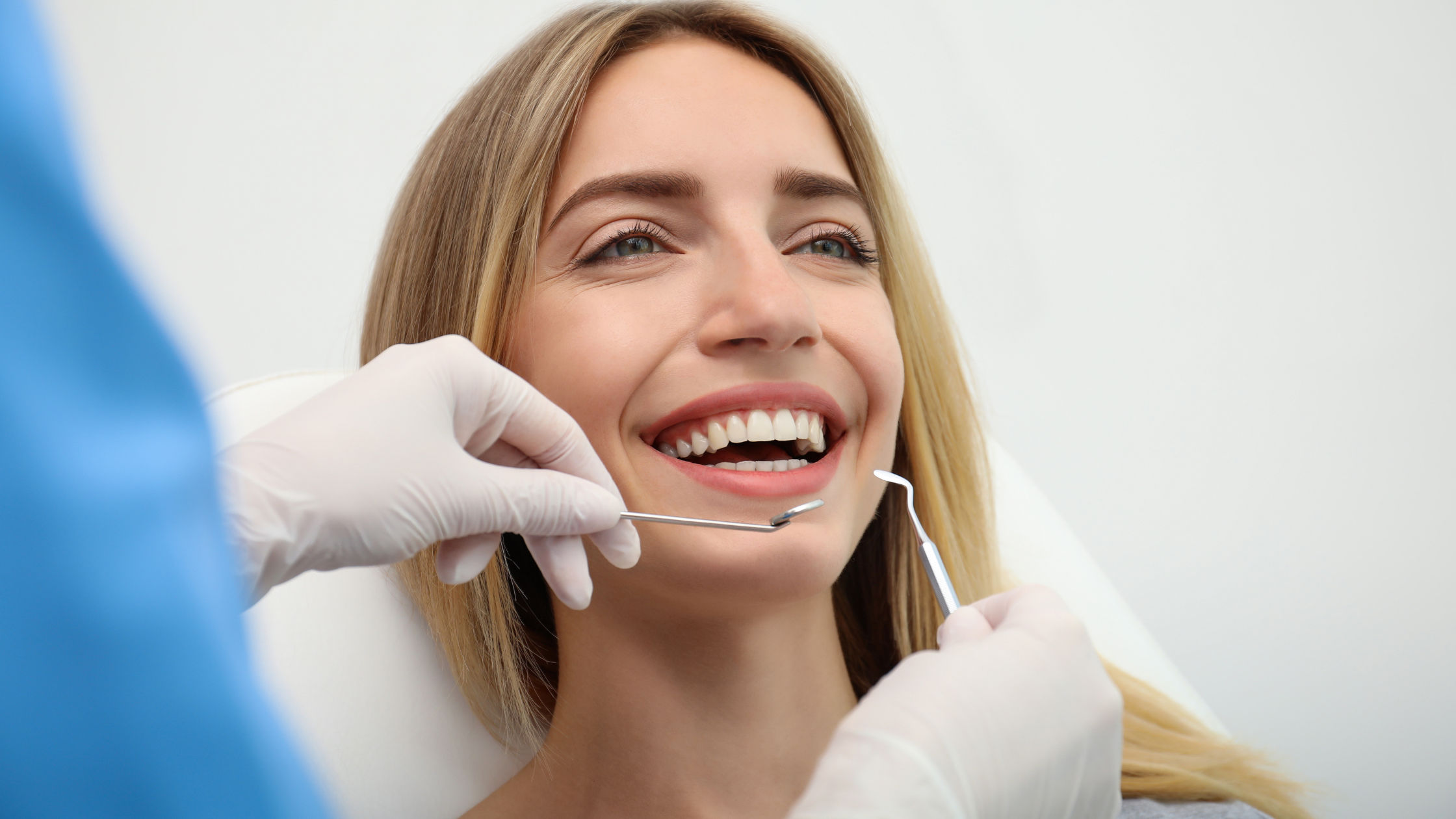
A typical consultation includes:
- A conversation about what’s bothering you, which teeth, what specifically you’d like to change (color, shape, spacing), and what you’re hoping the result looks like.
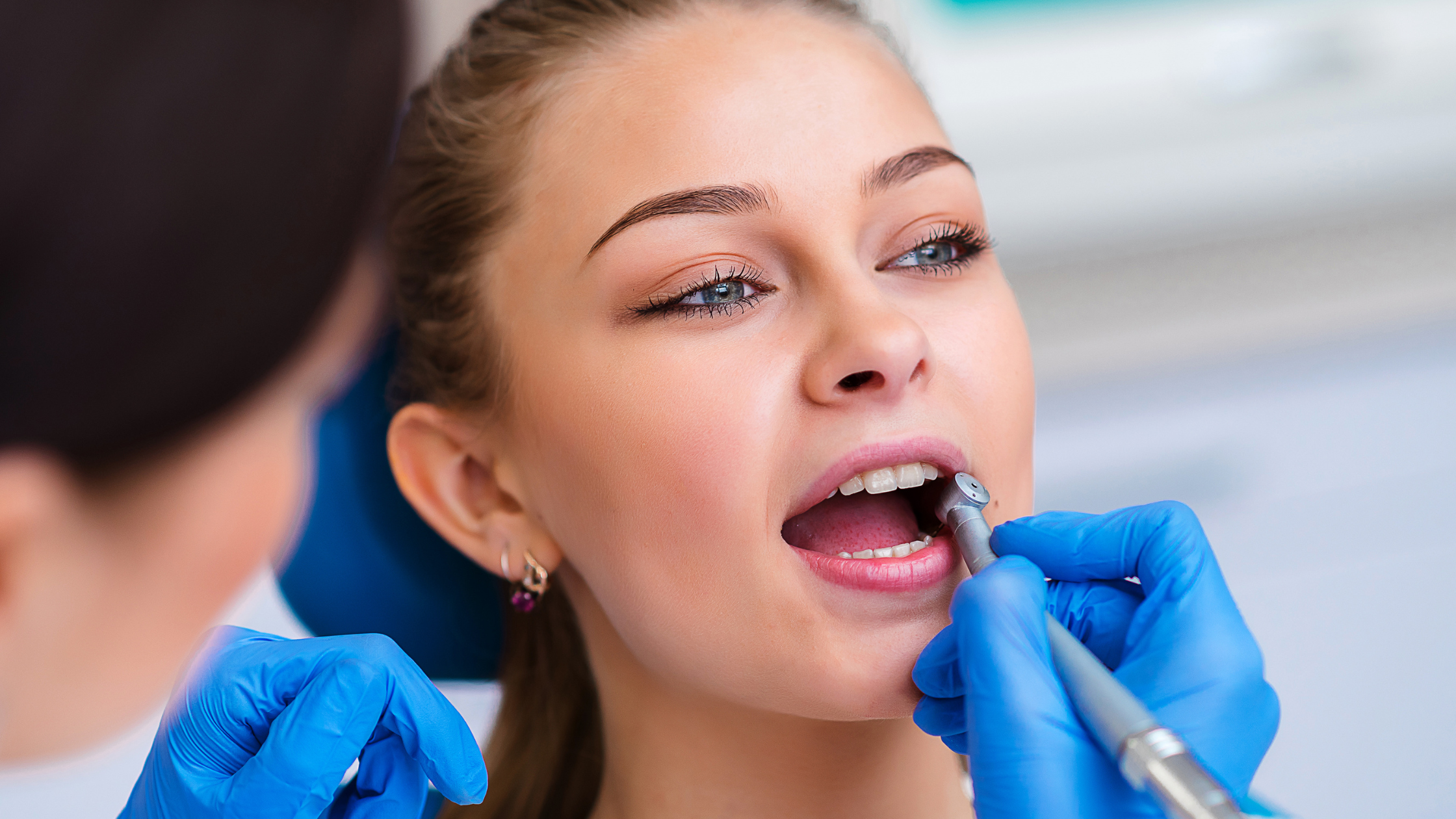
- A clinical exam, checking for decay, gum health, enamel condition, and bite alignment.
- A review of your options: veneers may be recommended for some teeth and an alternative (bonding, whitening, or a crown) for others, depending on what each tooth actually needs.
- A discussion of the process and timeline, including how many visits are involved and what to expect at each one.
If you’d like a closer look at what that consultation visit itself involves step by step, we’ve covered that in more detail separately.
Questions Worth Bringing to Your Consultation
- Based on my teeth specifically, am I a candidate for traditional veneers, minimal-prep veneers, or would something else serve me better?
- Are there any oral health issues that need to be addressed before we move forward?
- How many teeth do you recommend treating to get a result that looks balanced?
- What will the shade and shape look like, and how is that decided?
- What’s the expected timeline from this visit to the final result?
Frequently Asked Questions
Do I need perfectly healthy teeth to get veneers? Not perfect, but reasonably healthy. Active decay or gum disease generally needs to be treated first, but many patients who’ve had cavities filled or gum issues resolved in the past are excellent candidates.
Can I get veneers if I grind my teeth at night? Possibly, especially with a nightguard to protect the veneers. Unmanaged, severe grinding is a bigger concern, and your dentist will want to discuss how to protect your investment either way.
What if only some of my teeth are good candidates? That’s common. Many treatment plans combine veneers on teeth that need them with bonding, whitening, or no treatment at all on teeth that don’t; the goal is a cohesive result, not veneers on every tooth by default.
Is age a factor in veneer candidacy? Not directly; candidacy is based on oral health and tooth structure rather than age alone, though a dentist may recommend waiting until a younger patient’s teeth and jaw have finished developing.
How long does it take to find out if I’m a candidate? Usually just one consultation visit, which typically includes an exam and enough information to know whether you can move forward, need something addressed first, or might be better served by a different treatment.
Find Out for Sure
The only way to know if veneers are right for your teeth is to have them examined by a dentist who can look at your specific situation and walk you through your realistic options.
Schedule a cosmetic consultation at Steele Creek Smiles or call (704) 587-1010 to get a straightforward answer.
This article is for general educational purposes and isn’t a substitute for an in-person dental evaluation.