

You should see a dentist if you have tooth pain that lasts more than two days, bleeding gums, persistent bad breath, sensitivity to hot or cold, mouth sores that do not heal in two weeks, a chipped or loose tooth, jaw pain or clicking, white spots on your teeth or gums, dry mouth, or if you have not had a checkup in over six months. Most dental problems are silent until they get expensive. Catching them early saves you pain, time, and thousands of dollars. Here are the ten warning signs that mean it is time to book a visit.
Why Most Dental Problems Are Silent at First
The biggest myth in dental care is that you will know when something is wrong. By the time most dental problems hurt, they have been growing for months or years. Cavities do not hurt until they reach the nerve. Gum disease can cause bone loss for a decade with no pain at all. Oral cancer often shows no symptoms in the early stages.
This is why dentists recommend a checkup every six months, even if you feel fine. The exam catches problems while they are small and cheap to fix. Waiting until you have pain almost always means a more invasive, more expensive procedure.
The ten signs below are early warnings. If you notice any of them, book a visit before they get worse.
1. Tooth Pain That Lasts More Than Two Days
Brief tooth pain can come from a popcorn kernel stuck under the gum, a small bite injury, or a sinus infection pressing on tooth roots. Pain that lasts more than two days, especially throbbing pain that wakes you up at night, usually means a deeper problem.
Common causes include:
- A cavity that has reached the nerve
- A cracked tooth
- An infected tooth (abscess)
- Gum infection around a tooth root
- Bruxism (chronic grinding) damages the tooth
Take ibuprofen and rinse with warm salt water for short-term relief, but get an exam within 48 hours. Untreated tooth infections can spread to the jaw and beyond.
2. Gums That Bleed When You Brush or Floss
Bleeding gums are not normal, even though many people brush them off. Healthy gums do not bleed. Bleeding when you brush or floss almost always means inflammation or early gum disease (gingivitis), which is treatable when caught early.
If gum bleeding has been happening for more than two weeks, see a dentist. Gingivitis that goes untreated turns into periodontitis, which destroys the bone supporting your teeth. Periodontitis is the leading cause of adult tooth loss in the United States, and unlike gingivitis, the bone loss it causes cannot be reversed.
3. Persistent Bad Breath
Occasional bad breath after coffee, garlic, or sleep is normal. Bad breath that does not go away after brushing, flossing, and using mouthwash is a symptom of something else, usually:
- Gum disease (the most common cause)
- A decaying tooth or failing filling
- Dry mouth from medication or breathing through your mouth
- Tonsil stones
- A sinus or post-nasal drip issue
- A digestive issue (less common)
If you have done your part with oral hygiene and breath issues continue, the next step is a dental exam. Most causes are treatable once they are diagnosed.
4. Sensitivity to Hot, Cold, or Sweet
A quick zing of cold sensitivity is common and not always a problem. Sensitivity that lingers for more than 30 seconds after the trigger, or sensitivity that gets worse over weeks, is a sign of:
- Worn enamel exposing the inner layer of the tooth
- A cavity
- A cracked tooth
- Receding gums exposing the root
- A failing filling or crown
- Recent teeth whitening (usually temporary)
Sensitivity is one of the easiest dental problems to treat when caught early. A simple fluoride treatment, desensitizing toothpaste, or a small filling often solves it. Letting it go can lead to nerve damage and a root canal.
5. Mouth Sores That Do Not Heal in Two Weeks
Most mouth sores (canker sores, cold sores, accidental bites) heal within 7 to 14 days. Any sore, lump, or patch that does not heal within two weeks needs a professional evaluation.
Specifically, watch for:
- Red or white patches on the inside of your cheek, gum, or tongue
- A lump or thickening in your mouth or neck
- Numbness in any part of your mouth or lips
- Difficulty chewing, swallowing, or moving your jaw
Oral cancer, when caught early, has a high cure rate. The American Dental Association recommends an oral cancer screening at every dental checkup, which Steele Creek Smiles includes in every comprehensive exam.
6. A Chipped, Cracked, or Loose Tooth
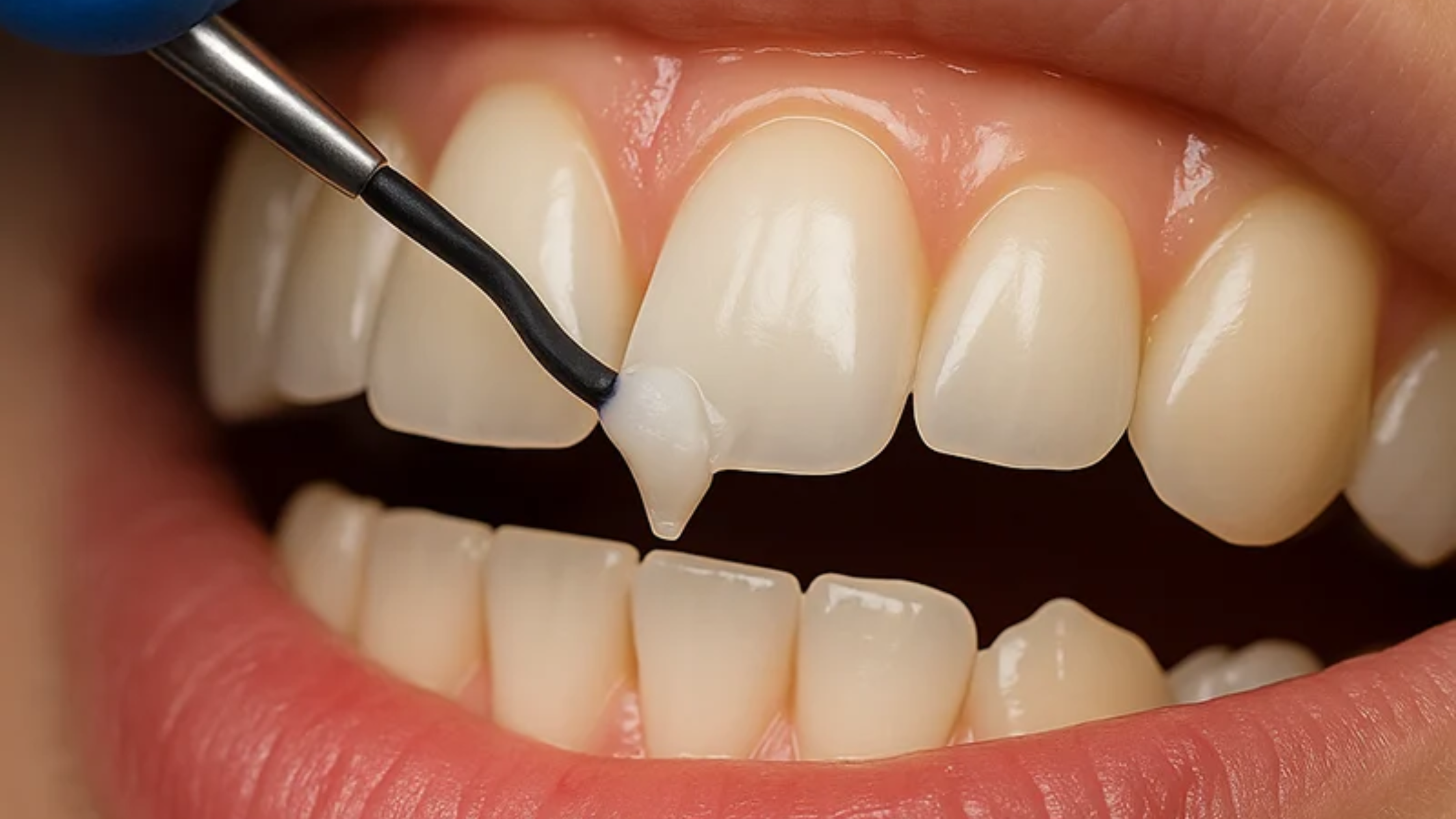
Even a small chip can let bacteria into the inner tooth, leading to decay or infection. A loose adult tooth is even more serious. Permanent teeth should not move at all. A loose tooth in an adult usually signals advanced gum disease, trauma, or grinding damage.
Get any chip, crack, or movement checked within a week, even if it does not hurt. The longer it is exposed, the more likely you are to need a crown, root canal, or extraction. Small chips can often be fixed with a 30-minute bonding procedure for a few hundred dollars.
7. Jaw Pain, Clicking, or Difficulty Opening
Jaw pain, clicking, popping, or limited movement when you open your mouth can signal a TMJ (temporomandibular joint) disorder. TMJ issues often come from:
- Chronic clenching or grinding (bruxism)
- Stress and posture
- Misaligned bite
- Arthritis or jaw joint damage
- Past trauma to the jaw
Early treatment is usually conservative: a custom night guard, stress management, or minor bite adjustments. Untreated TMJ can lead to chronic headaches, neck pain, and damage to the jaw joint that is harder to reverse.
8. White Spots, Discoloration, or Gum Changes
Visual changes in your teeth or gums are clues to underlying problems.
Pay attention to:
- White spots on teeth. Often, the first stage of a cavity. Treatable with fluoride if caught early.
- Brown or black spots. Established decay that needs a filling.
- Gum recession. Gums pulling back from teeth, exposing roots.
- Color changes in gums. Healthy gums are pink. Red, swollen, or pale gums signal a problem.
- A single dark or gray tooth. Usually means the tooth nerve has died and may need a root canal.
If you notice a visible change that has not gone away after a week or two of better oral hygiene, book an exam.
9. Dry Mouth That Won’t Go Away
Dry mouth (xerostomia) is more than just uncomfortable. Saliva is the mouth’s natural defense against bacteria, and chronic dry mouth dramatically increases your risk of cavities, gum disease, and bad breath.
Common causes include:
- Medications (over 400 prescription drugs list dry mouth as a side effect)
- Aging
- Diabetes
- Sjogren syndrome
- Cancer treatments
- Mouth breathing or sleep apnea
If your mouth feels chronically dry, your dentist can help identify the cause and recommend specific treatments, including prescription saliva substitutes, fluoride treatments to protect against cavities, or a referral to your doctor for medical evaluation.
10. It Has Been More Than Six Months Since Your Last Cleaning
The single most important sign that you need to see a dentist is the calendar. The American Dental Association recommends a checkup and cleaning every six months for most adults. If it has been longer:
- Plaque hardens into tartar that cannot be removed by brushing
- Small cavities have time to grow into large ones
- Gum disease can progress without you noticing
- Oral cancer screenings get skipped
- Your dental insurance benefits may expire on December 31, unused
If your last visit was over a year ago, do not feel embarrassed. Just call. Most practices, including Steele Creek Smiles, see patients of every dental history without judgment.
When You Should Go to the ER vs. a Dentist
Some symptoms need an ER right away rather than a dental office.
Go to the emergency room if you have:
- Difficulty breathing or swallowing
- Severe facial swelling that is rapidly worsening
- Uncontrolled bleeding for more than 20 minutes
- Jaw injury after trauma
- Fever above 102 degrees with mouth swelling
For everything else on this list, a dental visit is the right call. Steele Creek Smiles holds same-day emergency slots Monday through Friday.
Key Takeaways
- Most dental problems are silent until they become expensive.
- Tooth pain lasting over two days, bleeding gums, or sores that do not heal need a dental visit.
- Sensitivity, jaw pain, and white spots are early warnings of treatable problems.
- Dry mouth and persistent bad breath can signal both dental and medical issues.
- A six-month checkup is still the cheapest insurance against major dental work.
- For severe swelling, breathing problems, or jaw trauma, go to an ER first, then follow up with a dentist.
Frequently Asked Questions
What are the most common signs you need to see a dentist?
The most common signs you need to see a dentist are tooth pain lasting more than two days, gum bleeding when brushing, persistent bad breath, hot or cold sensitivity, sores that will not heal in two weeks, and any visible change to your teeth or gums. If you have any of these, book a checkup at (704) 587-1010.
How often should you see a dentist if you have no problems?
Most adults should see a dentist every six months for a cleaning, exam, and oral cancer screening, even with no symptoms. Patients with gum disease, dry mouth, or higher cavity risk may need visits every three to four months. Steele Creek Smiles can recommend a personalized schedule.
When should you go to the dentist for tooth pain?
You should go to the dentist for tooth pain that lasts more than two days, throbbing pain that wakes you at night, or any pain accompanied by swelling or fever. Sharp pain triggered by hot, cold, or sweet that lingers more than 30 seconds also warrants a visit.
Are bleeding gums a sign you need to see a dentist?
Yes. Healthy gums do not bleed. Bleeding when you brush or floss for more than two weeks is an early sign of gum disease (gingivitis) and should be evaluated by a dentist. Treatment at this stage is simple and reverses the issue completely.
Is bad breath a sign of a dental problem?
Persistent bad breath that does not improve with brushing, flossing, and tongue cleaning is usually caused by gum disease, a decaying tooth, dry mouth, or another oral issue. Bad breath that lasts more than a week despite good oral hygiene needs a dental exam to identify the cause.
Can a dentist tell if you have oral cancer?
Yes. A dentist performs a visual and physical exam of your tongue, cheeks, gums, and throat at every checkup to look for early signs of oral cancer. Steele Creek Smiles includes oral cancer screening in every comprehensive exam, which is why six-month visits matter even if you feel fine.
What happens if I have not been to the dentist in years?
If it has been years since your last dental visit, schedule a comprehensive new patient exam. The first visit usually includes X-rays, a thorough exam, oral cancer screening, and a treatment plan that prioritizes the most urgent issues. Steele Creek Smiles sees patients of every history without judgment.
Should I see a dentist for sensitive teeth?
Yes, if sensitivity has been getting worse over weeks, lingers more than 30 seconds after exposure, or is paired with visible damage. Sensitivity is often easy to treat with desensitizing toothpaste, fluoride treatment, or a small filling when caught early. Untreated, it can progress to needing a root canal.
Don’t Wait. Book a Visit at Steele Creek Smiles Today
If you have noticed any of these signs, you need to see a dentist. The smartest thing you can do is book a visit before the problem grows. Steele Creek Smiles offers comprehensive new patient exams, oral cancer screenings, and gentle cleanings in a comfortable, locally-owned office in Charlotte.
📞 Call (704) 587-1010 today
🗓️ Or book a checkup online
📍 Steele Creek Smiles
13739 Steele Creek Rd #100 Charlotte, NC 28273