

Whitening is often the first thing people try for a discolored tooth, and for surface staining, it usually works well. But if you’ve whitened sometimes more than once and one tooth (or several) still looks noticeably darker or differently colored than the rest, that’s a sign the discoloration likely isn’t coming from the surface at all.
Why Some Discoloration Doesn’t Respond to Whitening
Tooth discoloration generally falls into two categories:
Extrinsic stains sit on the outer surface of the tooth and come from things like coffee, tea, red wine, and tobacco. This is the type of staining whitening treatments are designed to lift.
Intrinsic discoloration originates inside the tooth structure itself, beneath the enamel surface, which is why surface whitening agents typically can’t reach it. Common causes include:
- Certain medications taken during tooth development (in childhood), which can cause internal banding or discoloration
- Excess fluoride exposure during childhood (fluorosis), which can create white or brown mottling
- Trauma to a tooth, even old trauma, which can cause internal discoloration as the tooth responds to the injury over time
- A tooth that has had root canal treatment, which can sometimes darken from the inside afterward
- Genetics and natural variation in enamel thickness and dentin color, which affects how translucent or opaque a tooth appears regardless of surface cleanliness
If you’ve whitened consistently and correctly, and the color hasn’t budged, especially on just one or two teeth rather than your whole smile, intrinsic discoloration is the most likely explanation.
What Actually Works for Intrinsic Discoloration
Dental Bonding
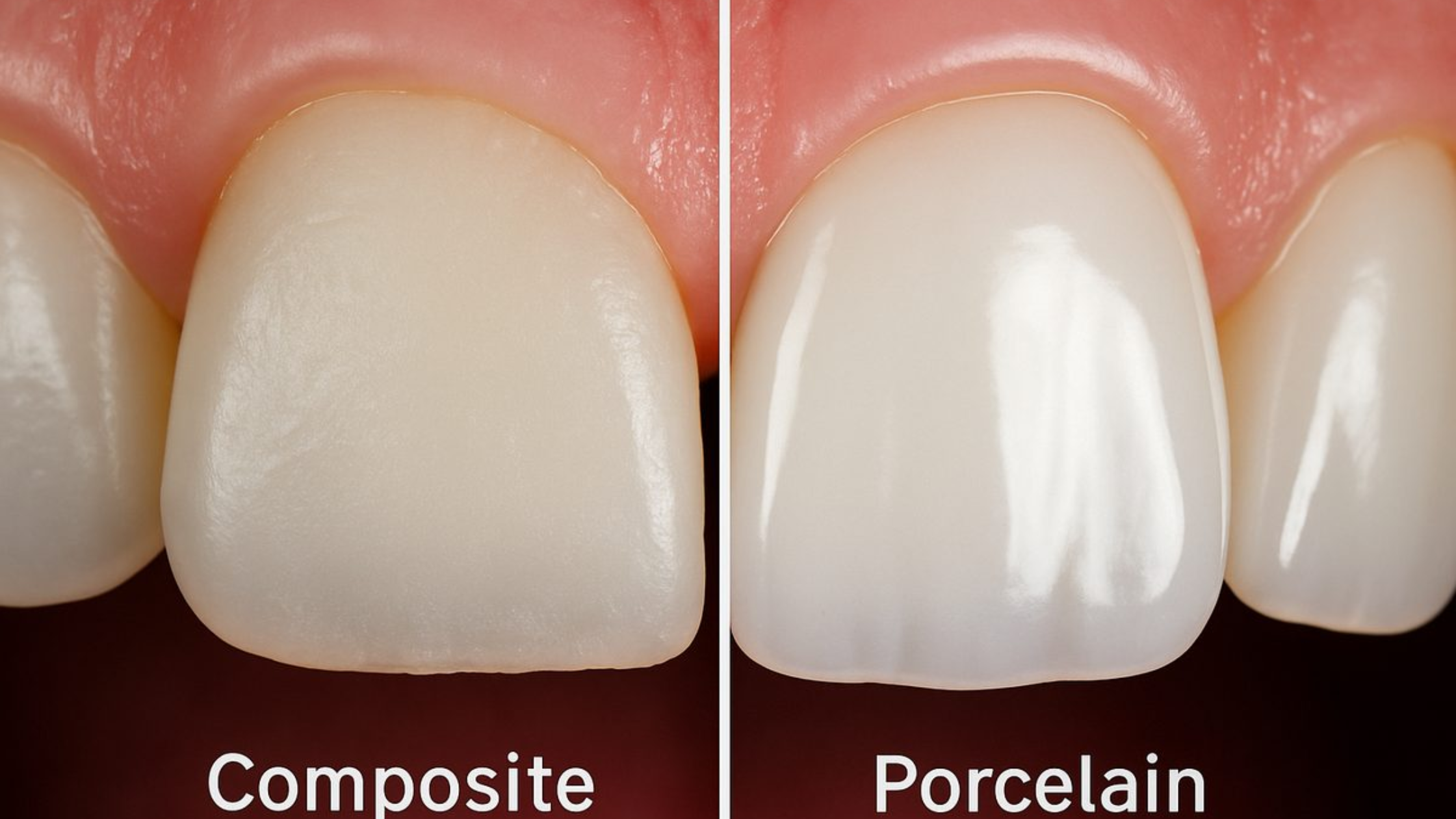
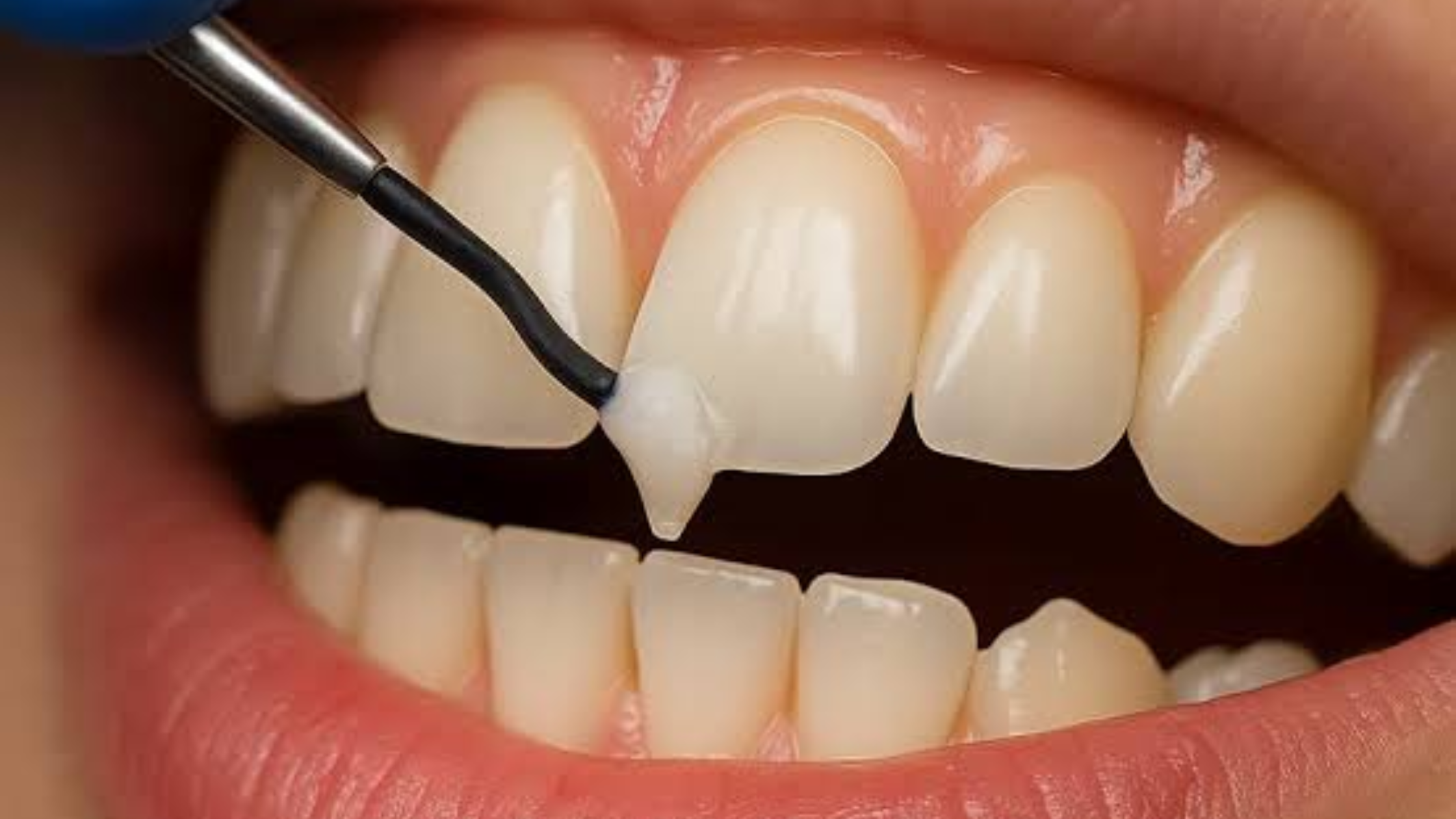
For a single discolored tooth, especially one that’s otherwise healthy, dental bonding can mask the discoloration by covering the front surface with tooth-colored composite resin, matched to the shade of your surrounding teeth. It’s typically a same-day, relatively conservative option.
Porcelain Veneers
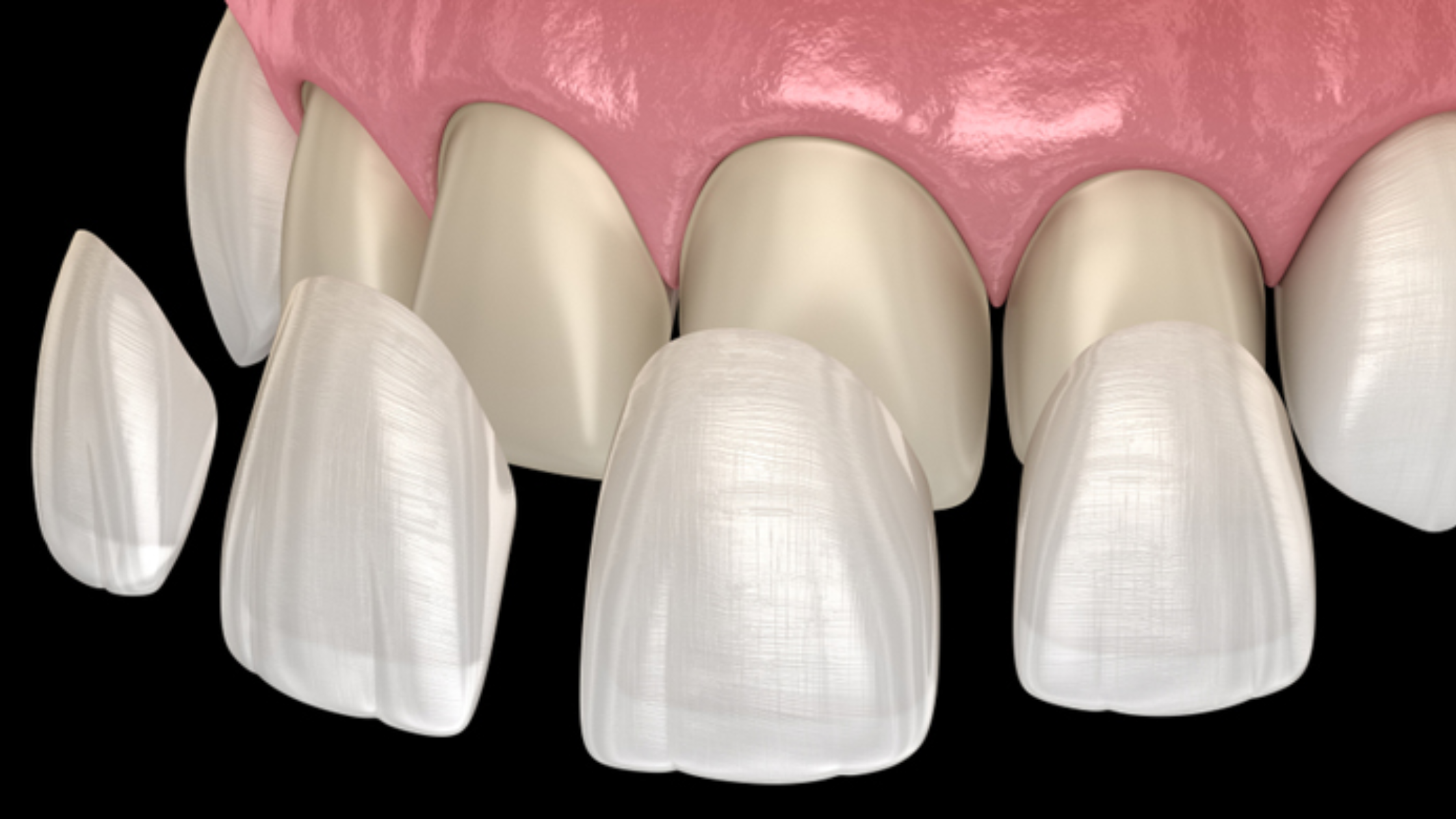
For more significant discoloration, discoloration affecting multiple teeth, or cases where you also want to adjust the shape or alignment of the affected teeth, porcelain veneers generally provide more complete, longer-lasting coverage. Because porcelain is opaque enough to mask what’s beneath it while still looking natural, veneers are a common solution for intrinsic staining that hasn’t responded to anything else.
Internal (Non-Vital) Bleaching
For a single tooth that has darkened after root canal treatment specifically, some cases can be treated with an internal bleaching technique performed by your dentist, applying a whitening agent from the inside of the tooth rather than the outside. Whether this is appropriate depends on the specific tooth and its history, and it’s a conversation to have directly with your dentist.
A Combined Approach
It’s common for a discolored tooth to sit among otherwise well-matched teeth, in which case whitening the rest of your smile first (to set an even baseline) and then addressing the one problem tooth with bonding or a veneer often creates the most seamless-looking result.
How to Know Which Option Is Right
A few factors your dentist will consider:
- How many teeth are affected. One tooth often points toward bonding or a single veneer; several teeth may call for veneers as a more coordinated solution, or, in specific cases, internal bleaching if root canal history is involved.
- The cause of the discoloration, if known. A tooth that darkened after an old injury is a different situation than fluorosis affecting several teeth from childhood.
- The condition of the tooth otherwise. A structurally sound tooth has more options than one that also needs restorative work.
- Your goals beyond color. If you’re also hoping to adjust shape, size, or alignment, that shifts the conversation toward veneers rather than a color-only fix.
Frequently Asked Questions
How do I know if my staining is intrinsic or extrinsic?
The clearest sign is trying whitening first. If it lightens your smile evenly, and the concern resolves, it was likely extrinsic. If one or a few teeth remain noticeably different in color after a proper whitening attempt, intrinsic discoloration is the more likely explanation, and a dental exam can confirm it.
Is intrinsic discoloration a sign of a health problem?
Not necessarily; many causes (genetics, childhood fluoride exposure, old trauma) aren’t active health issues. That said, any new or unexplained discoloration is worth having a dentist look at, since it can occasionally be a sign of an underlying issue with the tooth.
Will bonding or veneers match my other teeth exactly?
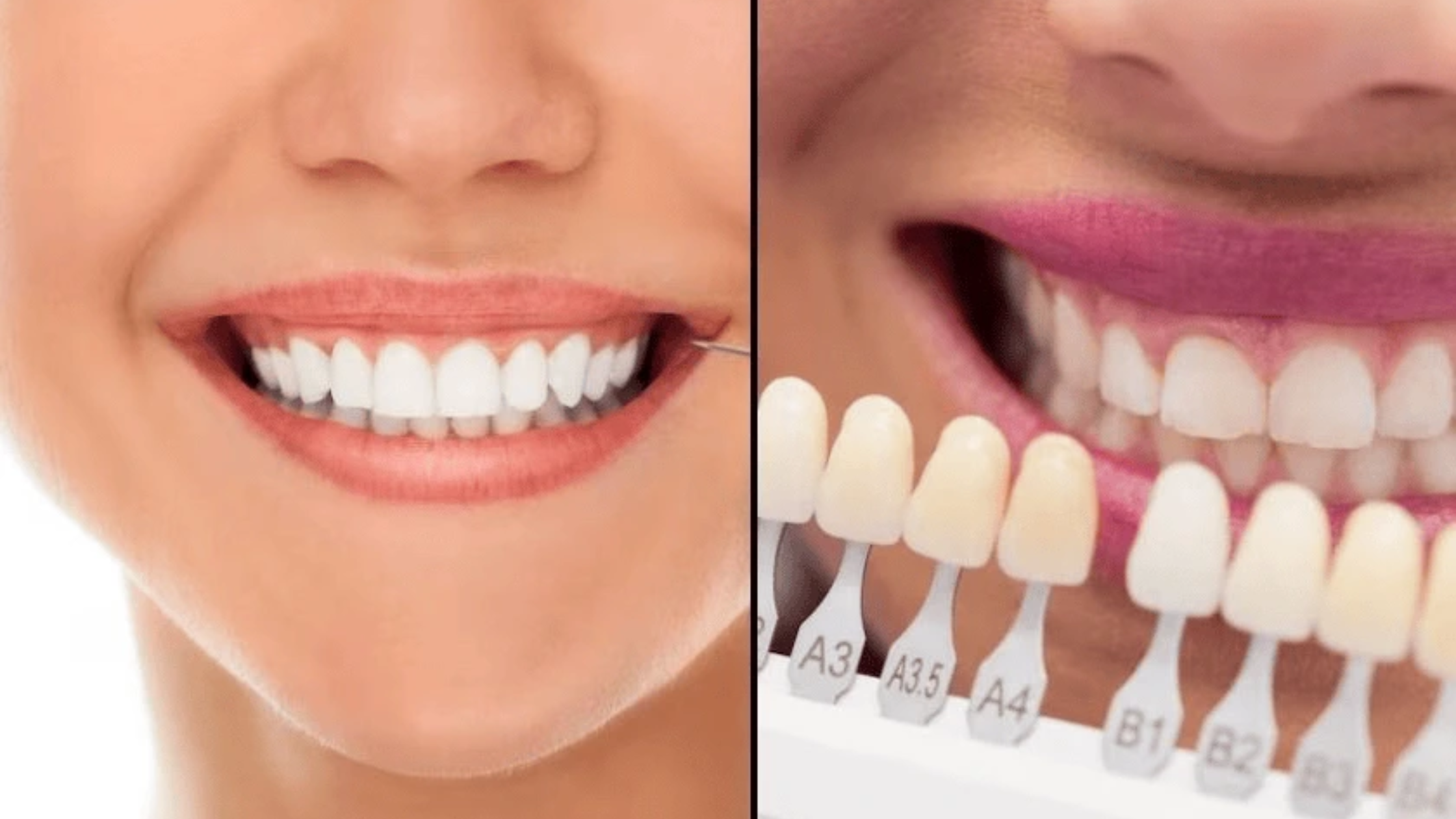
That’s the goal, and it’s why the process includes shade-matching against your surrounding teeth. If you’re planning to whiten as well, doing that first is important, since the color of bonding and veneers doesn’t change with future whitening treatments.
Can I try whitening again before considering other options?
If it’s been a while since your last attempt, or you used an over-the-counter product rather than a professional treatment, it may be worth trying a supervised in-office or take-home whitening treatment first to confirm whether the discoloration truly doesn’t respond.
Is one discolored tooth among otherwise white teeth harder to treat? Not necessarily harder, but it does require more precise shade-matching, since the goal is to blend the treated tooth in with the surrounding natural teeth rather than change your whole smile at once.
Get a Clear Answer
If a stubborn stain hasn’t budged with whitening, the next step is an exam to understand what’s actually causing it and which treatment realistically addresses it. Schedule a consultation at Steele Creek Smiles or call (704) 587-1010.
This article is for general educational purposes and isn’t a substitute for an in-person dental evaluation.