

Once you’ve decided you want a brighter smile, the next question is usually practical: do you want it done in a single visit, or do you have the flexibility to whiten gradually on your own schedule? Professional teeth whitening generally comes in two forms: in-office treatment and dentist-provided take-home trays, and the right one often comes down to timeline, sensitivity, and how much control you want over the process.
How In-Office Whitening Works
In-office whitening is completed during a single dental visit. Your dentist applies a professional-strength whitening agent directly to your teeth, often activated or accelerated with a special light, and the treatment is monitored throughout to protect your gums and manage the process safely. Results are typically visible immediately after the appointment.
Good fit for patients who:
- Want a noticeable result before a specific date (an event, a trip, a milestone)
- Prefer not to manage a multi-week routine at home
- Want the process supervised by a dental professional from start to finish
How At-Home (Take-Home) Whitening Works
With take-home whitening, your dentist creates custom-fitted trays based on impressions of your teeth, along with a professional-grade whitening gel. You wear the trays for a set amount of time each day (or overnight, depending on the product) over a period of one to a few weeks, gradually lightening your teeth.
Good fit for patients who:
- Prefer a gradual change rather than an immediate one
- Have some flexibility in their timeline
- Want the ability to touch up their results periodically down the road, since the custom trays can typically be reused.
Comparing the Two
| In-Office Whitening | At-Home (Take-Home) Whitening | |
|---|---|---|
| Time to visible results | Same day | Gradual, over one to a few weeks |
| Number of dental visits | Typically one appointment (plus a fitting if trays are also provided) | One visit for impressions/fitting, then done independently |
| Supervision | Directly supervised throughout | Self-administered at home with dentist guidance |
| Sensitivity | Some patients notice temporary sensitivity right after treatment | Sensitivity tends to be more gradual and easier to pace |
| Touch-ups | Requires a return visit for future treatments | Custom trays can often be reused with additional gel |
| Best for | A specific deadline or event | A flexible timeline and ongoing maintenance |
What Neither Option Can Fix
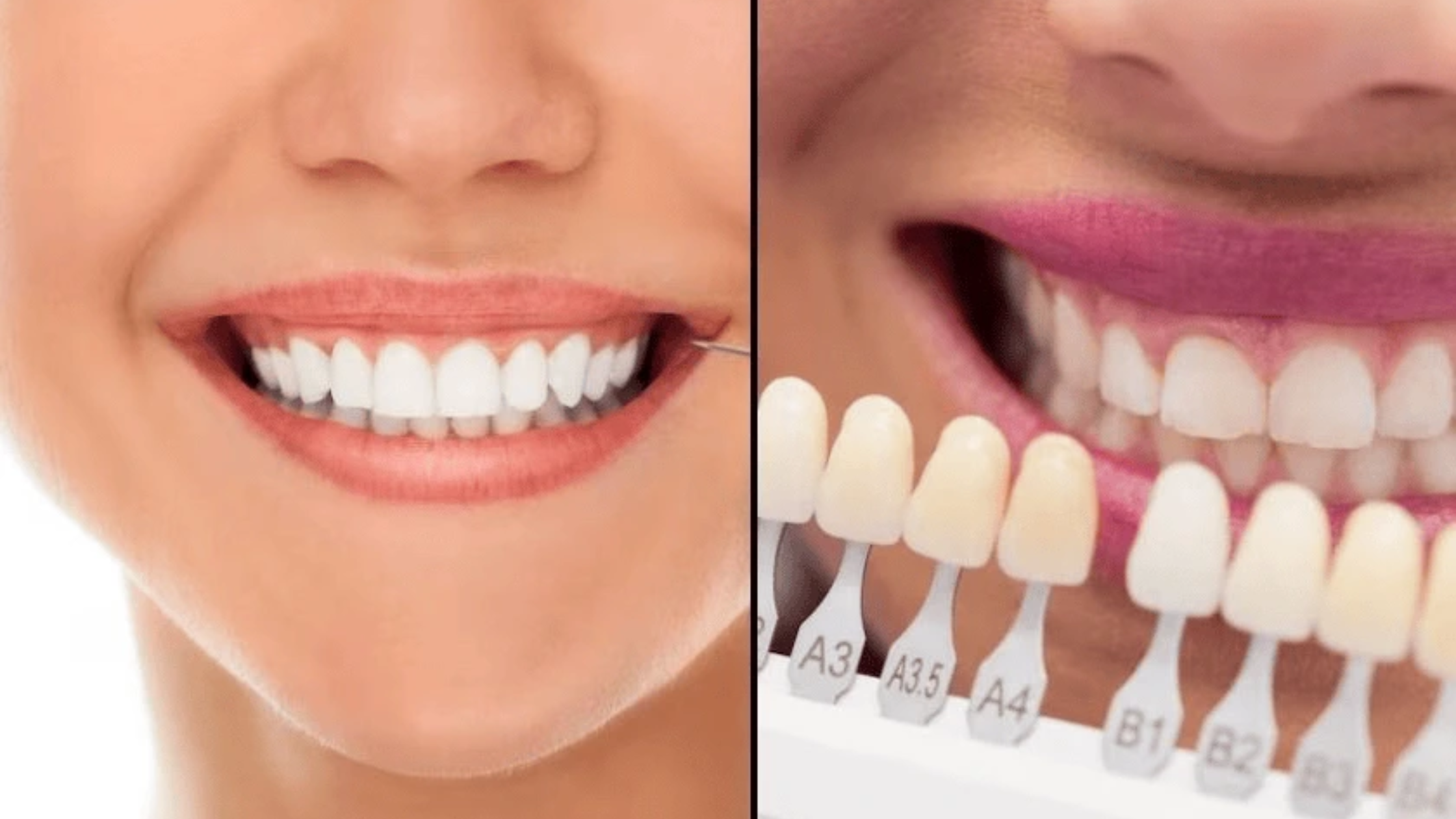
Both types of professional whitening work on extrinsic stains surface discoloration from coffee, tea, wine, or tobacco and can also lighten some natural tooth color to a degree.
Neither is designed to correct intrinsic discoloration, such as staining from certain medications, developmental conditions, or trauma to a tooth. If your teeth haven’t responded to whitening in the past, or you already suspect the discoloration goes deeper than surface stains, it’s worth understanding your other options before investing in another round of whitening.
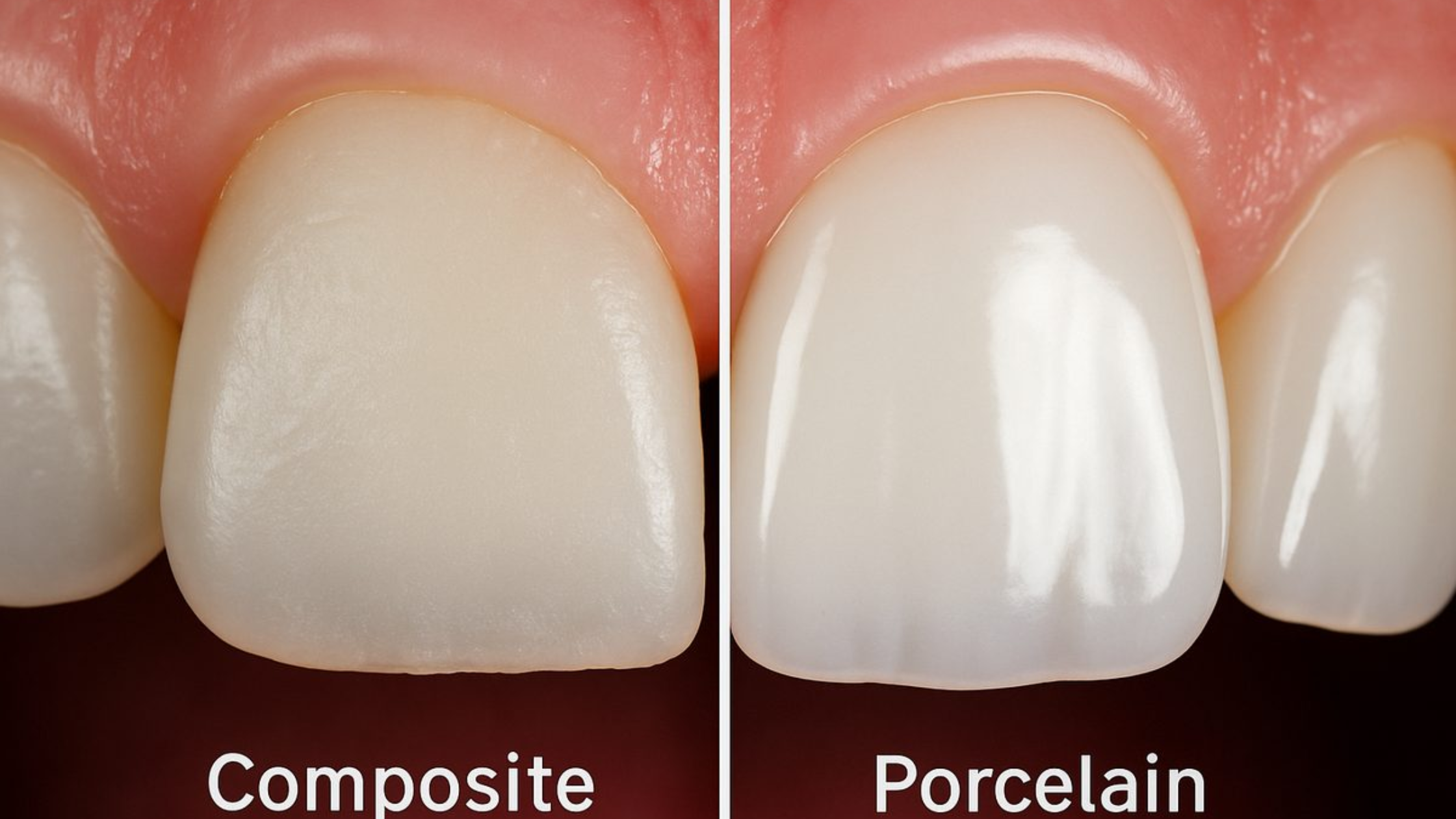
It’s also worth noting that whitening doesn’t change the color of existing dental work; crowns, veneers, or bonded teeth won’t lighten along with your natural enamel. If you’re planning cosmetic work in addition to whitening, sequencing matters, which is part of why whitening is usually addressed early in a broader smile makeover plan.
Managing Sensitivity
Some temporary sensitivity to hot or cold is common with either method and typically fades within a day or two after in-office treatment, or can often be managed by adjusting wear time with take-home trays. If you have a history of sensitive teeth, mention it during your consultation; your dentist can recommend a gentler approach or a desensitizing step before treatment.
How to Decide
A few practical questions can help:
- Do you have a deadline? In-office whitening is the more predictable choice if you need results by a specific date.
- Do you want ongoing control? Take-home trays let you manage your own pace and touch up results later without starting over.
- How sensitive are your teeth generally? If you’re prone to sensitivity, a gradual take-home approach may be more comfortable.
- Are you planning other cosmetic work? If so, whitening should typically happen first, and your dentist can help sequence it with anything else on your plan.
Many patients also combine the two: an in-office treatment for an immediate result, followed by occasional take-home touch-ups to maintain it.
Frequently Asked Questions
Which method gives a bigger color change?
Both can produce a noticeable difference, and the final shade depends more on your starting color and the strength of the treatment than on which method you choose. Your dentist can give you a realistic expectation based on your teeth specifically.
How long do results last?
With good oral hygiene and some attention to stain-causing foods and drinks, results commonly last several months before a touch-up is needed. This varies by individual habits.
Is one method safer than the other?
Both are considered safe when supervised or provided by a dental professional. The main difference is how they’re monitored: directly in the chair for in-office treatment, versus dentist-guided but self-administered at home.
Can I whiten if I have crowns or veneers?
Whitening won’t change the shade of existing dental work, so if you have visible crowns, veneers, or bonded teeth, talk to your dentist about how whitening will affect the overall match of your smile before starting.
Do I need a dental exam before whitening?
Generally, yes, your teeth and gums should be assessed first to rule out any issues (like untreated decay) that whitening agents could aggravate, and to determine whether the discoloration you’re seeing is likely to respond to whitening at all.
Brighten Your Smile the Right Way
Whether you need results fast or prefer a gradual approach, the right whitening method depends on your goals, timeline, and teeth. Schedule a consultation at Steele Creek Smiles or call (704) 587-1010 to find out which option fits you best.
This article is for general educational purposes and isn’t a substitute for an in-person dental evaluation.