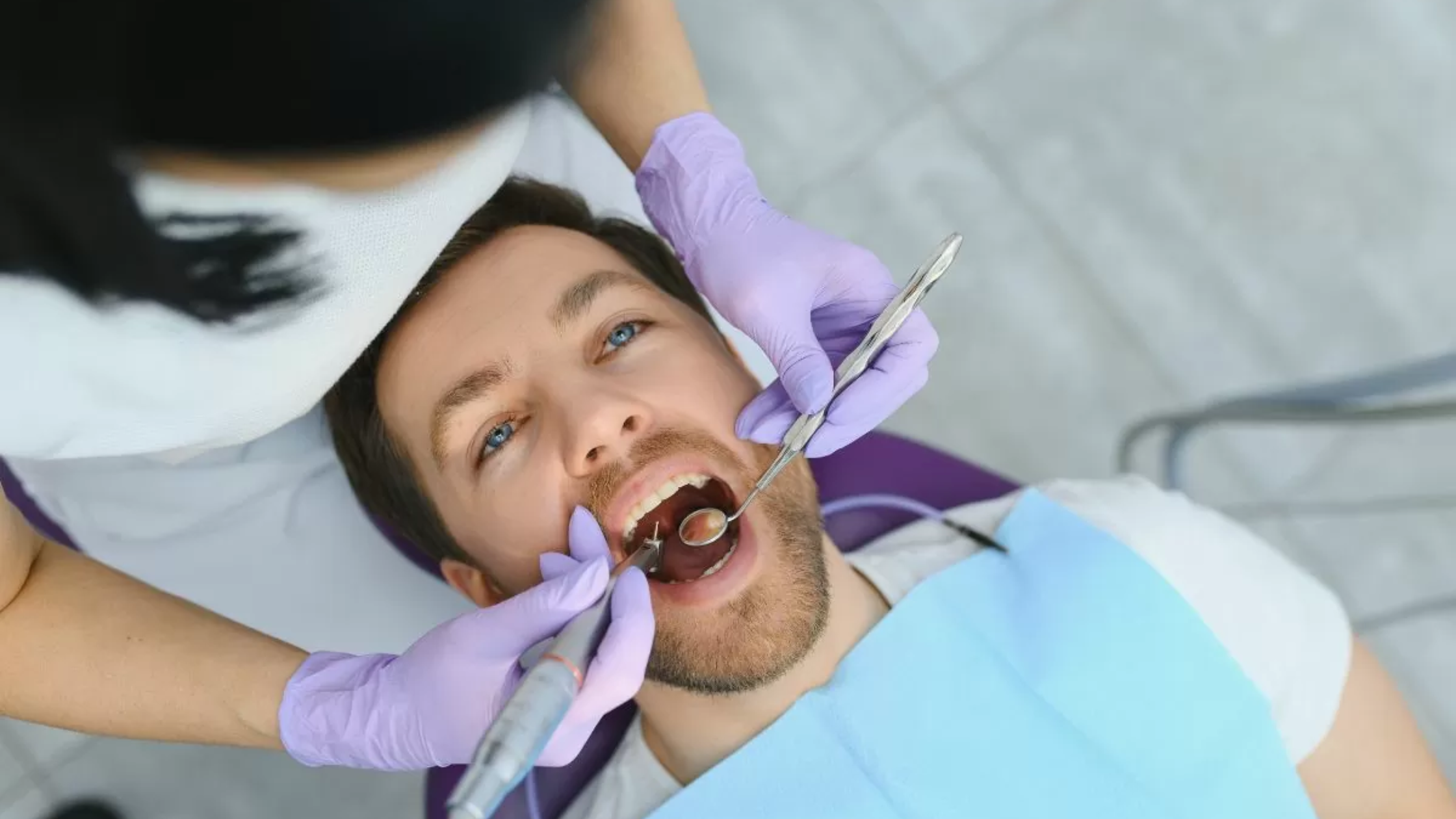


Getting a tooth removed can feel like a big step, but what you do afterward is just as important as the treatment itself.
Proper aftercare helps reduce discomfort, supports faster healing, and lowers the risk of complications. The good news? With the right approach, recovery is usually smooth and manageable.
Right After Your Tooth Extraction: What Happens First?
Once your procedure is complete, your dentist will place gauze over the extraction site to help control bleeding and allow a clot to form. This clot is essential; it protects the area and supports healing.
What you may notice in the first 24–48 hours:
- Mild bleeding or slight oozing
- Swelling around the area
- Tenderness or soreness
- Limited jaw movement
These are normal responses and should gradually improve over the next few days.
Why the Blood Clot Is So Important
One of the most critical parts of healing is protecting the blood clot that forms in the socket.
If this clot becomes dislodged too early, it can lead to a painful condition known as dry socket, which delays healing and exposes sensitive bone and tissue.
To protect the clot, avoid:
- Smoking or tobacco use
- Drinking through a straw
- Forceful rinsing or spitting
- Touching the area with your tongue or fingers
Small precautions like these can make a big difference in your recovery.
What to Eat After a Tooth Extraction
Your diet plays a key role in how comfortably and quickly you heal.
Best foods for the first few days:
- Yogurt
- Applesauce
- Pudding
- Mashed potatoes
- Soft pasta
- Lukewarm soups
Foods and drinks to avoid:
- Hot or spicy foods
- Crunchy or hard items
- Carbonated beverages
- Very cold or very hot drinks
After a few days, you can slowly return to your normal diet, just listen to your body and avoid anything that causes discomfort.
Oral Hygiene: Keeping Your Mouth Clean Safely
Maintaining oral hygiene is important, but it needs to be done gently.
Recommended care routine:
- First 24 hours: Avoid rinsing completely
- After 24 hours: Use warm salt water rinses (gently, not forcefully)
- Brushing: Continue brushing other areas, but avoid the extraction site initially
Keeping the area clean without disturbing healing tissue is key.
Managing Pain and Swelling
Some discomfort after a tooth extraction is expected, but it can be managed effectively.
Helpful ways to reduce discomfort:
- Use prescribed or over-the-counter medications as directed
- Apply an ice pack for the first 24 hours (20 minutes on, 10 minutes off)
- Switch to warm compresses after the first day if needed
- Get plenty of rest
Pain should gradually decrease over several days. If it worsens rather than improves, it’s best to contact your dentist.
Healing Timeline: What to Expect
Every patient heals a little differently, but here’s a general idea:
- First 24 hours: Clot forms, bleeding slows
- 2–3 days: Swelling may peak, then start improving
- 5–7 days: Pain and discomfort reduce significantly
- 1–2 weeks: Tissue begins to heal over the area
Following care instructions closely helps keep this timeline on track.
When Should You Contact Your Dentist?
While complications are uncommon, it’s important to stay alert.
Reach out if you experience:
- Increasing pain after a few days
- Excessive swelling or bleeding
- Fever or signs of infection
- Unusual taste or discharge
- Difficulty opening your mouth
Early attention can prevent minor issues from becoming serious.
Follow-Up Care Matters
Your dentist may schedule a follow-up visit to ensure everything is healing properly. This is a great time to:
- Ask questions
- Discuss any concerns
- Get guidance on returning to normal activities
Staying connected with your dental team supports a smooth recovery.
A Smooth Recovery Starts With the Right Care
Tooth extractions are common procedures, but proper aftercare makes all the difference.
By protecting the extraction site, maintaining gentle hygiene, and following your dentist’s instructions, you can:
- Heal more comfortably
- Avoid complications
- Return to normal activities sooner
Final Thoughts
Taking care of your mouth after a tooth extraction doesn’t have to be complicated; it just requires a little attention and consistency.
If you ever feel unsure during your recovery, it’s always best to check with your dentist. A quick call can give you peace of mind and keep your healing on the right track.